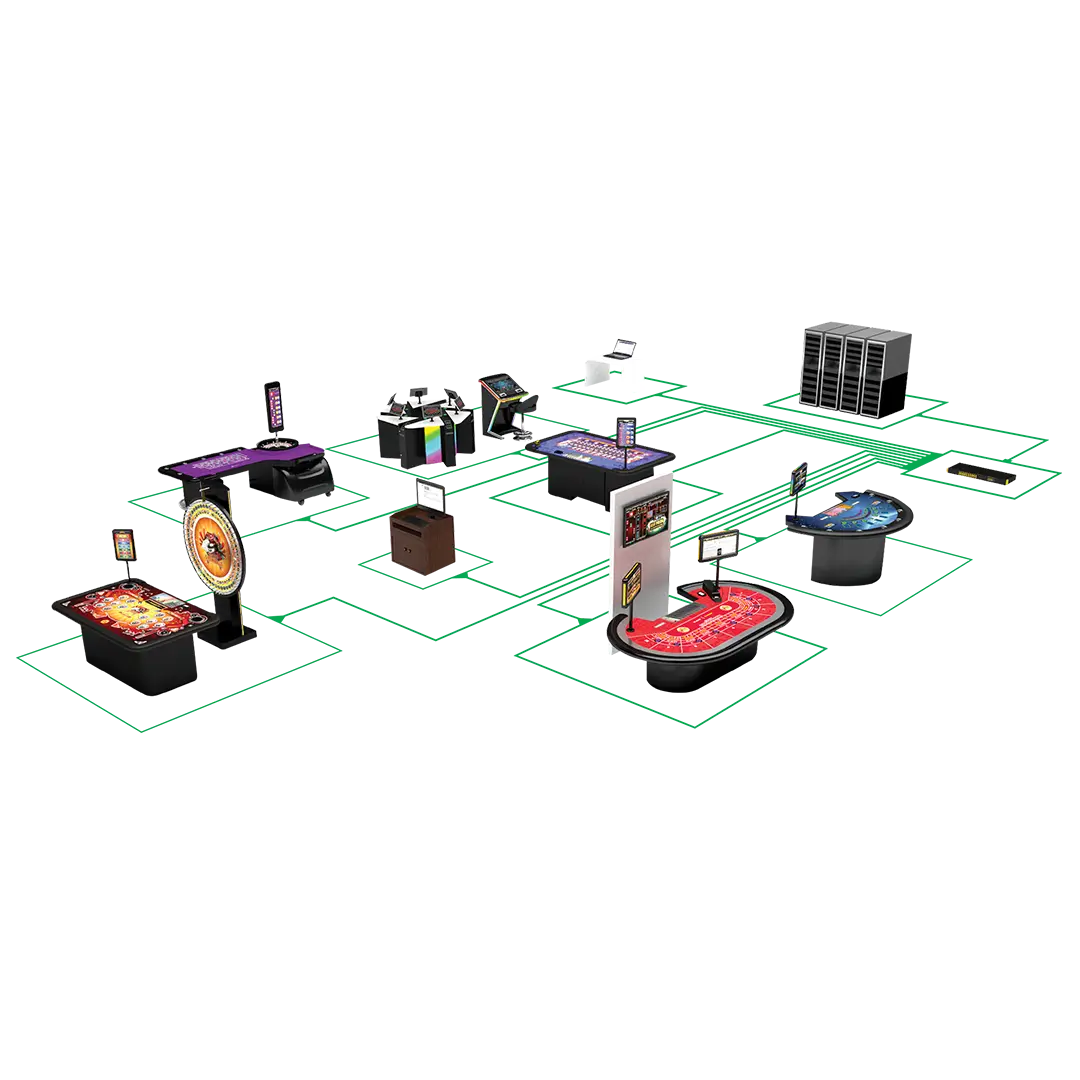
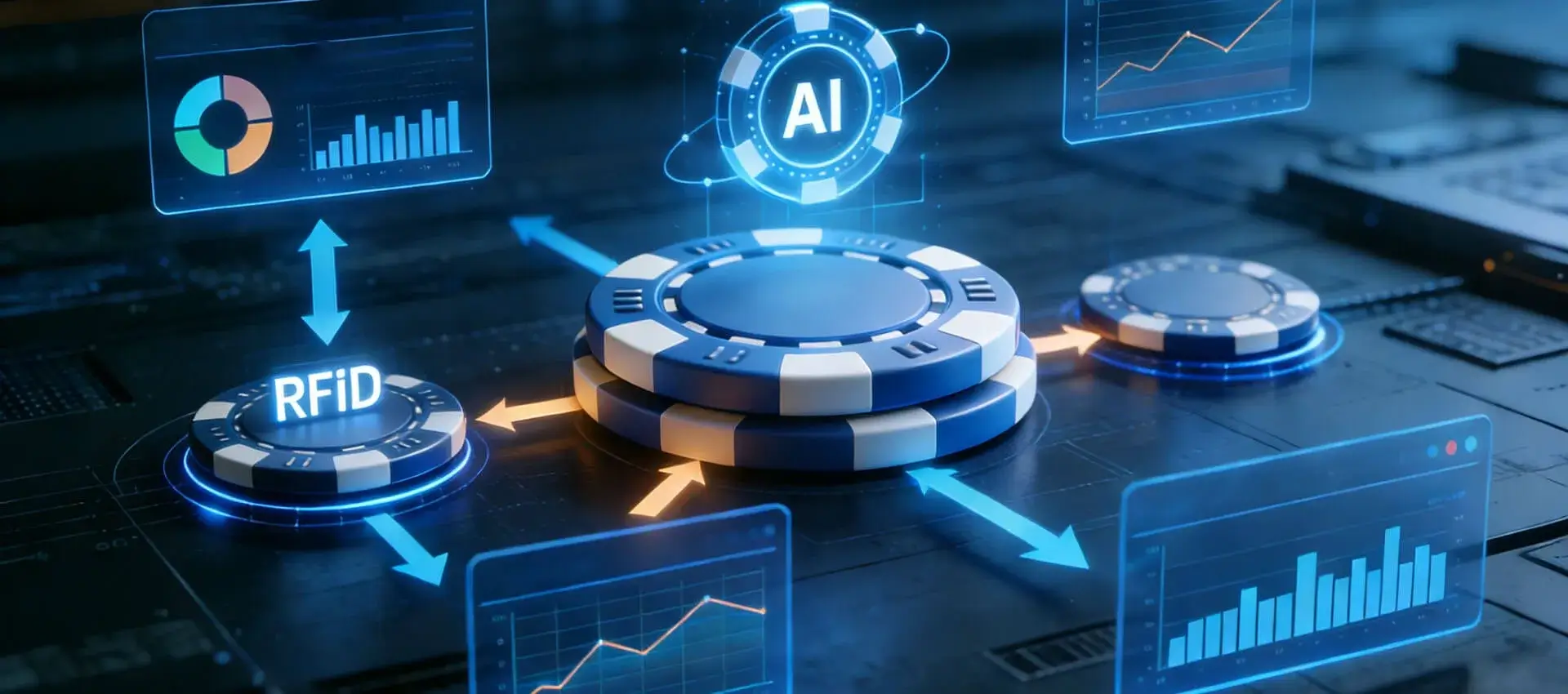
With the rapid development of Artificial Intelligence (AI), Internet of Things (IoT), and RFID technologies, smart casinos have become a key trend in the global gaming and entertainment industry. Through deep integration between AI systems and Casino Management Systems (CMS), casinos can achieve real-time data analysis, intelligent risk control, and optimized operations, significantly enhancing security, efficiency, and customer experience.
RESTful API integration is the core approach for connecting AI systems with casino management systems. By defining standardized RESTful interfaces, bidirectional data synchronization can be achieved.
When players place bets at gaming tables, RFID readers collect chip data in real time and transmit betting information to AI analytics engines through API interfaces. Meanwhile, AI-generated player behavior predictions and risk analysis results are returned to the casino management system for personalized marketing and risk control.
Web Service / Web API provides clear endpoint definitions and data formats, supporting scenarios with high real-time requirements and frequent data interactions. This method enables cross-platform and cross-language integration, and is widely used for device operation data exchange between AI dual pre-control platforms and production management systems.
Within the same enterprise intranet environment, dedicated database connection channels can be established to directly read from or write to the databases of other systems. This reduces data transmission layers and improves overall efficiency.
This approach is suitable for systems with large data volumes, such as AI pre-control platforms and equipment management systems, but requires strict access control and security auditingto prevent database security risks.
Message queue middleware (such as RabbitMQ or Kafka) is ideal for high-concurrency environments with fluctuating data traffic.
By enabling asynchronous data transmission, middleware helps prevent data loss or delays caused by high system loads, and is commonly used for early warning data delivery between AI pre-control platforms and emergency management systems.
Integration via FTP / SFTP or JSON/XML file import and export is suitable for scenarios with low real-time requirements and batch-based data exchange.
This method is simple, cost-effective, and especially suitable for integration with legacy systems.
Clearly define which services and functional modules need to be integrated, identify dependencies and data flow directions, and select appropriate integration technologies based on system architecture, data volume, and real-time requirements.
Establish unified data standards, including field definitions, data types, formats, and encoding rules, to ensure data consistency across different systems.
Core interaction data is typically categorized into:basic information data,security-related business data, and status monitoring data.
Implement multi-factor authentication (MFA),OAuth 2.0, and JWTto ensure strict identity verification and access control for all exposed APIs.
HTTPS is used for secure data transmission, and encryption keys are regularly updated to protect sensitive operations and information.
APIs are developed according to the integration design and undergo comprehensive unit testing, integration testing, and performance testing to ensure stability under high-concurrency conditions.
After testing, APIs are deployed to the production environment with proper routing and endpoint configuration.
Real-time monitoring through logs, error tracking, and performance metrics ensures system stability and enables rapid response to operational issues.
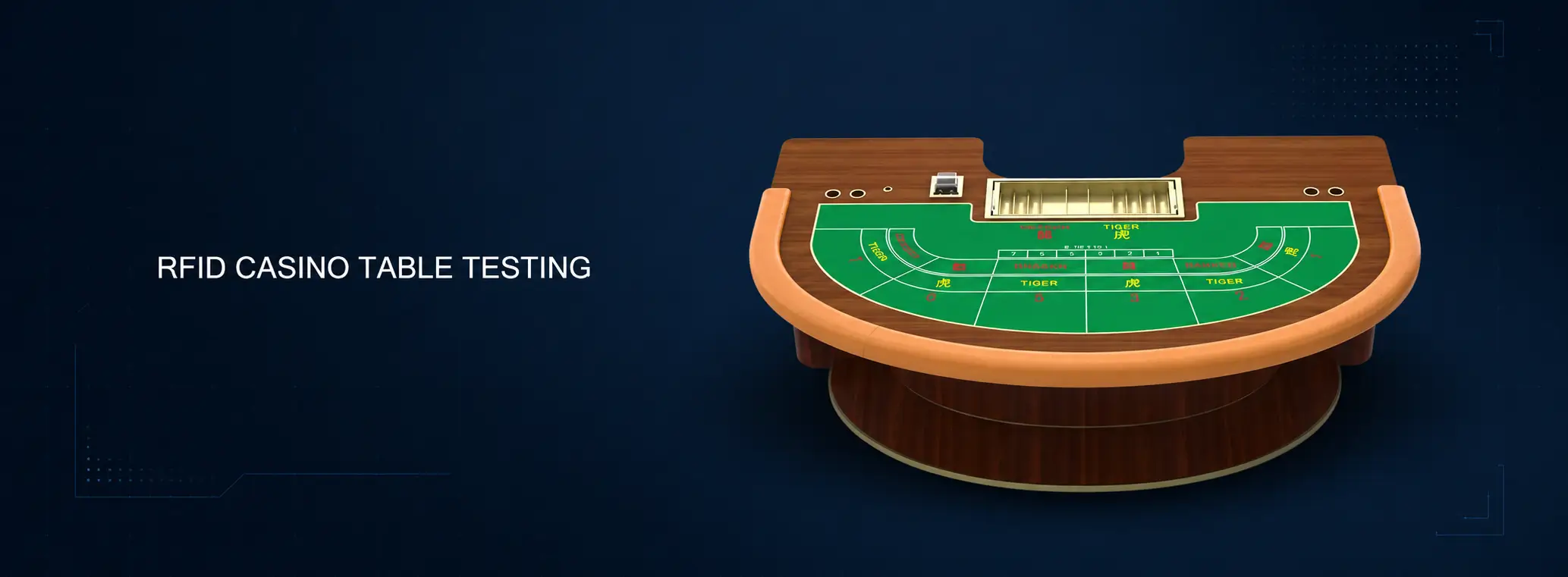
The primary application of RFID technology in casinos is chip management. Each gaming chip is embedded with an RFID chip, operating at 13.56 MHz with storage capacity exceeding 10 kbit, and capable of identifying up to 1,000 chips per second.
During gameplay, chip readers identify and record player bets in real time. The TableID system analyzes betting patterns, summarizes dealer activity, and automatically updates average bets and win/loss records without manual intervention.
By using RFID tags, casinos can track player locations, gaming preferences, and consumption behavior in real time.
These insights support precision marketing, enhanced customer engagement, and improved player loyalty.
End-to-end encryption and AES-256 algorithms are used to protect sensitive data during storage and transmission. Sensitive information is desensitized to ensure comprehensive data security.
Strict access control mechanisms, fine-grained permission management, and detailed operation logs are implemented to mitigate internal and external security threats.
Industry best practices require at least two comprehensive security audits per year.
AI systems must comply with cybersecurity regulations, including data encryption, access control, security auditing, and vulnerability management.
Advanced privacy-preserving technologies such as federated learning and differential privacyenable multi-center data collaboration without exposing raw data.
Operational Efficiency: Security response time reduced by 20%, equipment failure rate reduced by 30%
Cost Reduction: Labor requirements reduced by 30%–50%, maintenance costs lowered by over 20%
Enhanced Security: Theft incidents reduced by 60%, transaction fraud reduced by 80%
With the continued advancement of 5G-A, large AI models, and edge computing, the integration of AI systems and casino management systems will become increasingly sophisticated.
Interested in our products? Click the button below to book a demo or get more information