
With the rapid advancement of artificial intelligence (AI) technology, the integrated resort industry is undergoing an unprecedented transformation. Traditional resort operations face multiple challenges, including player management, risk control, revenue optimization, and marketing. The introduction of AI enables these challenges to be addressed efficiently through data-driven intelligence, achieving comprehensive operational upgrades.
AI systems can accurately identify player behavior patterns, preferences, and betting habits by analyzing vast amounts of data. Based on this analysis, the system can automatically recommend personalized games and service packages for different player types, enhancing satisfaction and loyalty. By integrating with membership management systems, resorts can design tiered membership plans, personalized promotions, and exclusive VIP services, creating a smart, data-driven operational model.
In terms of risk management, AI can quickly process large volumes of transaction records to detect potential illegal activities such as money laundering, fraud, and abnormal betting. Intelligent monitoring systems evaluate player behavior in real time, send alerts for suspicious activity, and initiate tiered intervention mechanisms. Moreover, AI technology can monitor table operations, fund flows, and equipment status, providing multi-layered security protection and significantly reducing operational risks.
AI also provides substantial value in revenue management. The system analyzes game demand, market competition, and player behavior to enable dynamic pricing and optimized resource allocation. Smart algorithms can automatically adjust game fees, promotions, and service charges, maximizing resort revenue while maintaining fairness and player experience. By leveraging real-time operational data, AI can offer suggestions for peak times, popular games, and table allocation, achieving fine-grained management.
AI plays a key role in player protection and responsible gaming. By analyzing betting patterns and behavior, the system can identify at-risk players, proactively deliver risk warnings, restrict betting if necessary, and provide personalized interventions. These responsible gaming tools create a safer and healthier environment for players.
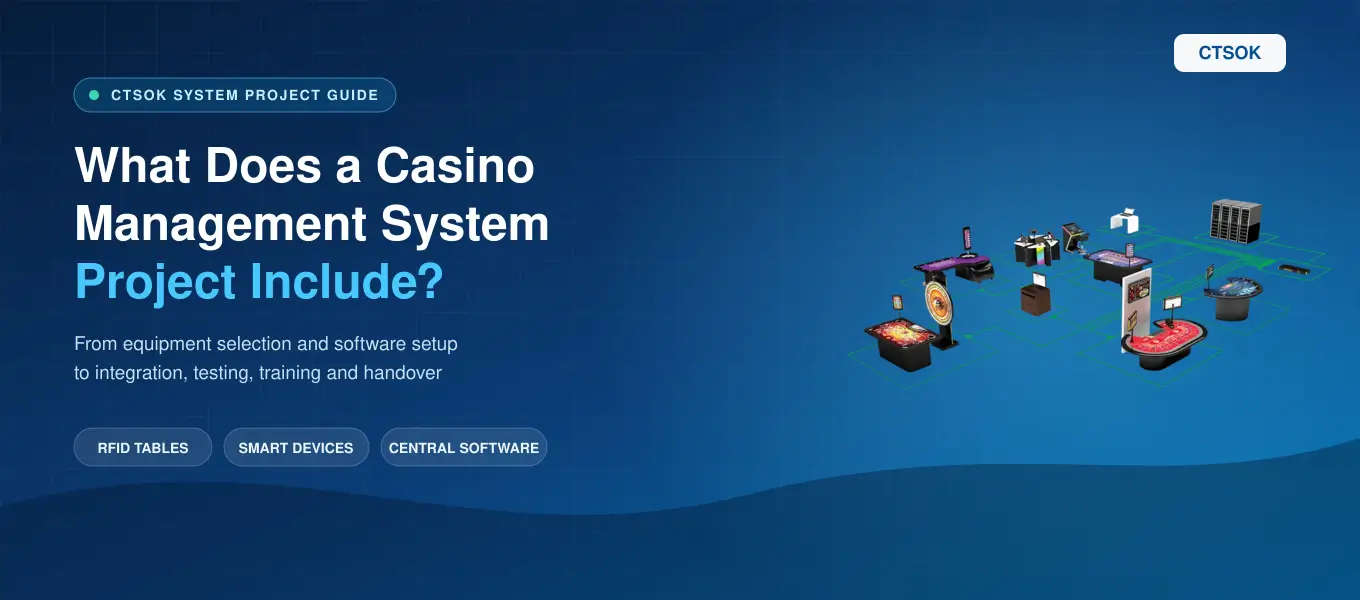
AI combined with IoT, RFID smart tables, and video monitoring enables comprehensive real-time monitoring and management of table operations and equipment. From collecting betting data and tracking player behavior to monitoring equipment performance, AI systems can automatically generate reports to support managers in making informed decisions. Insights such as table utilization, bet distribution, and player movement patterns allow for operational optimization and efficiency improvements.
AI also plays a role in marketing and player engagement. The system can automatically generate precise marketing strategies based on player data, pushing personalized promotions, notifications, and exclusive rewards. By leveraging natural language processing and multi-channel delivery, resorts can increase player engagement, retention, and marketing ROI.
With the maturity of 5G, high-performance edge computing, and large AI models, future resorts will achieve fully digitalized and intelligent operations. AI will no longer just be a supportive tool but will become central to operational decision-making. From risk control and revenue management to player interaction and marketing strategies, all processes will be automated and intelligent. This transformation will provide resorts with higher efficiency, lower costs, stronger security, and an exceptional, personalized player experience.
In conclusion, AI-driven intelligent upgrades enable integrated resorts to achieve digital, smart, and highly efficient operations, marking a shift from traditional management to a fully intelligent operational model and opening a new era in resort management.
Interested in our products? Click the button below to book a demo or get more information