
In daily casino operations, the role of poker chips is far more complex than external perceptions suggest.
For operators, chips are both wagering tools and high-frequency liquid capital carriers, involving internal reconciliation, risk control, auditing, and regulatory compliance.
Therefore, when choosing poker chips, the real consideration for a casino is not aesthetics or unit price, but whether the chips can be effectively managed.
In a normally functioning casino, chips go through the following process:
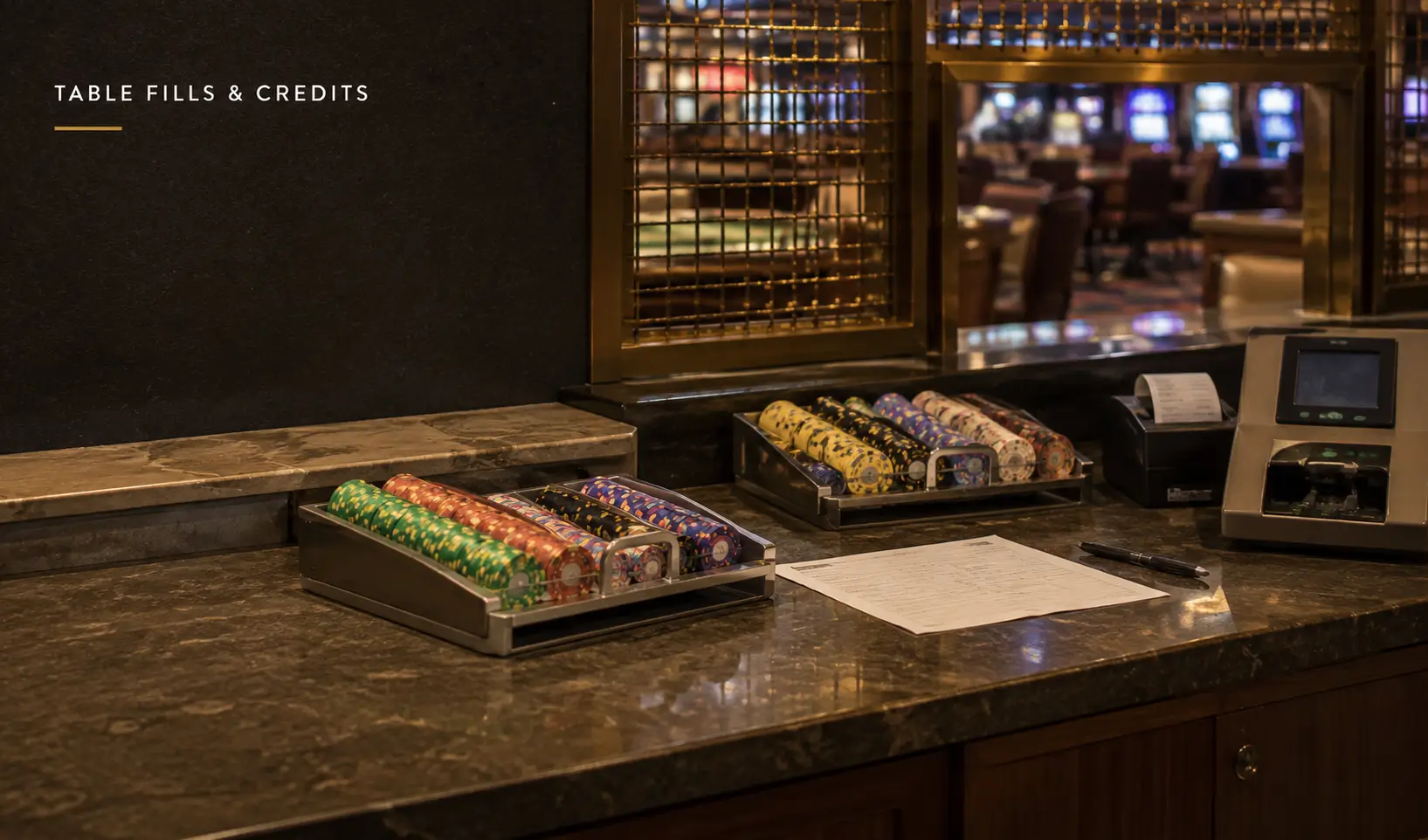
Inventory and Issuance
Distribution to different tables
Player wagering, transferring, and redemption
Table settlement
Return and counting
Under the traditional model, this process relies heavily on manual recording and counting.
This is sustainable when table numbers and traffic are low, but as the scale increases, problems gradually emerge:
Long table settlement times
Chip discrepancies requiring post-event investigation
Management's inability to grasp real-time table status
This is why most medium-to-large casinos eventually begin to re-examine poker chip management methods.
These chips are still widely used in casinos, and their advantages are clear:
Controllable costs
Mature manufacturing processes
Stable user habits
RFID tags prevent the circulation of counterfeit chips.
But from a management perspective, an unavoidable fact remains:
The system cannot identify the source and flow of individual chips.
Therefore:
Tables can only perform "post-event reconciliation"
Discrepancies can only be "manually traced"
Real-time risk control is impossible
This is not an operational issue, but a technical limitation of the chips themselves.
The core function of RFID poker chips is singular:
To allow every single chip to be identified by the system.
In practical application, it does not replace personnel, but changes how information is acquired:
Tables can read chip quantities and denominations in real-time
Foreign chips cannot be recognized by the system
Abnormal chip movements can be flagged
This enables casinos to obtain real-time data at the table level for the first time, rather than relying on post-event reports.
It is important to emphasize:
RFID chips are not "magic" on their own; the value is generated by the synergy of chips + table equipment + management system.
In implemented casino cases, RFID poker chips primarily solve three practical problems:
During shift changes or settlements, tables can quickly verify chip counts, reducing manual calculation errors.
When chip counts at a table change abnormally, the system provides real-time alerts instead of waiting for a post-audit to discover issues.
RFID records the flow of chips, which is of practical significance for internal audits and external regulation.
These values are not reflected in "flashier technology," but in the reduction of management costs and increase in transparency.
In actual projects, generic chips rarely meet casino needs because:
Different casinos have different denomination systems
Table configurations and system architectures vary
Risk control requirements differ
Therefore, a truly viable solution must include customization:
Visual Level: Denominations, colors, and logos to prevent cross-contamination
Technical Level: RFID chip specifications and reading methods
System Level: Compatibility with existing table equipment and backend systems
Customization is not about increasing costs; it is about avoiding hidden costs from repeated modifications later.
In procurement, casinos should focus on the following points rather than just the quote:
Whether they understand the actual workflow of casino tables
Whether they possess experience in RFID and table integration
Whether they can work with existing systems rather than demanding a total overhaul
Whether they can provide long-term technical support rather than a one-time delivery
Poker chips are a long-term capital asset; the cost of incorrect selection often only becomes apparent in the later stages.
CTSOK provides more than just a single chip product; we offer poker chip and RFID table solutions based on actual casino operating processes:
Poker chip design and manufacturing
RFID chip integration
Table identification equipment coordination
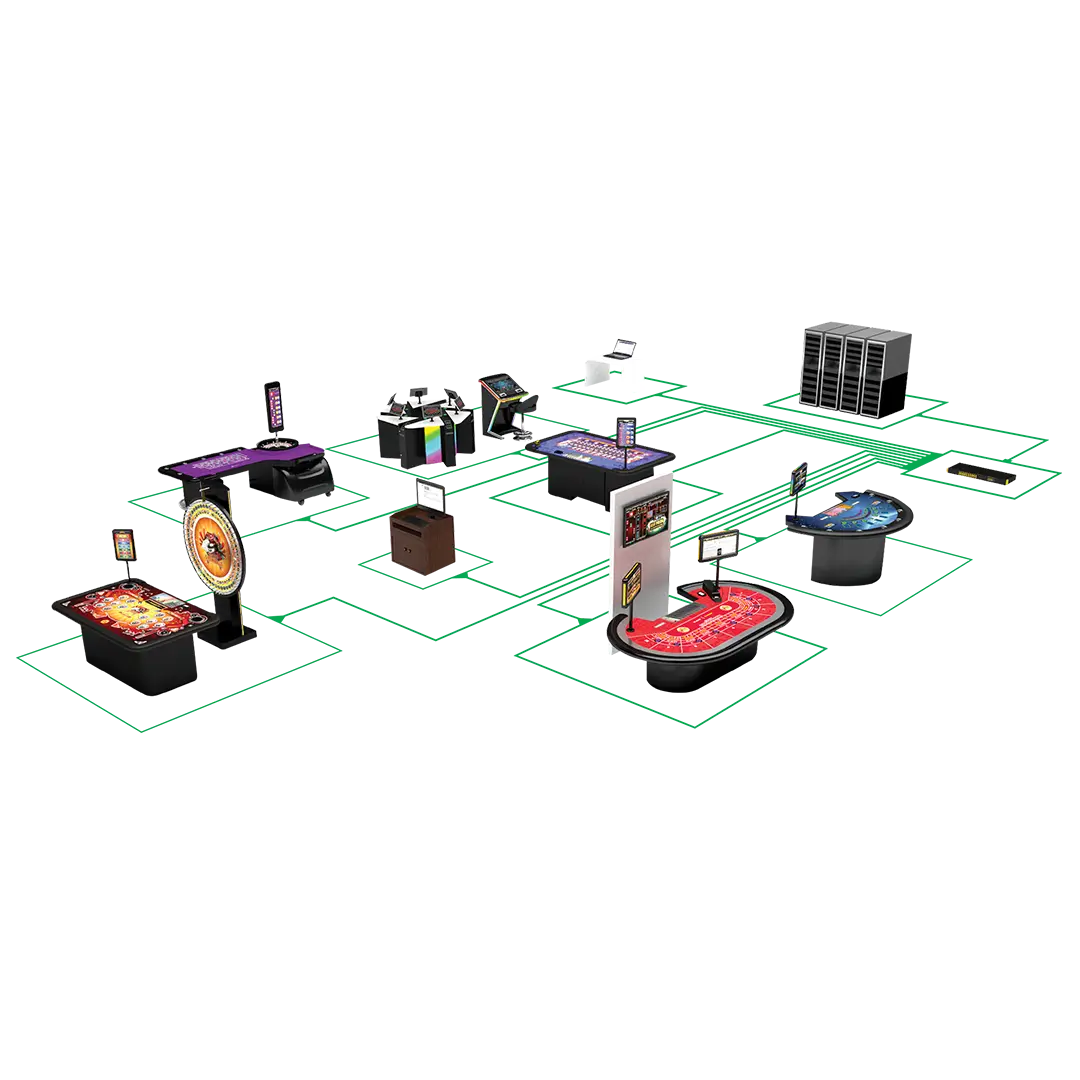
Integration with casino management systems
The goal is not to change the casino's operating habits, but to increase visibility and control within the existing process.
For casinos, the question of poker chips is never about whether to "upgrade," but whether they can be effectively managed.
When table numbers and operational scale reach a certain point, technical assistance is no longer an option, but a necessity.
Choosing the right poker chip solution is essentially reducing risk for the long-term stable operation of the casino.
Interested in our products? Click the button below to book a demo or get more information