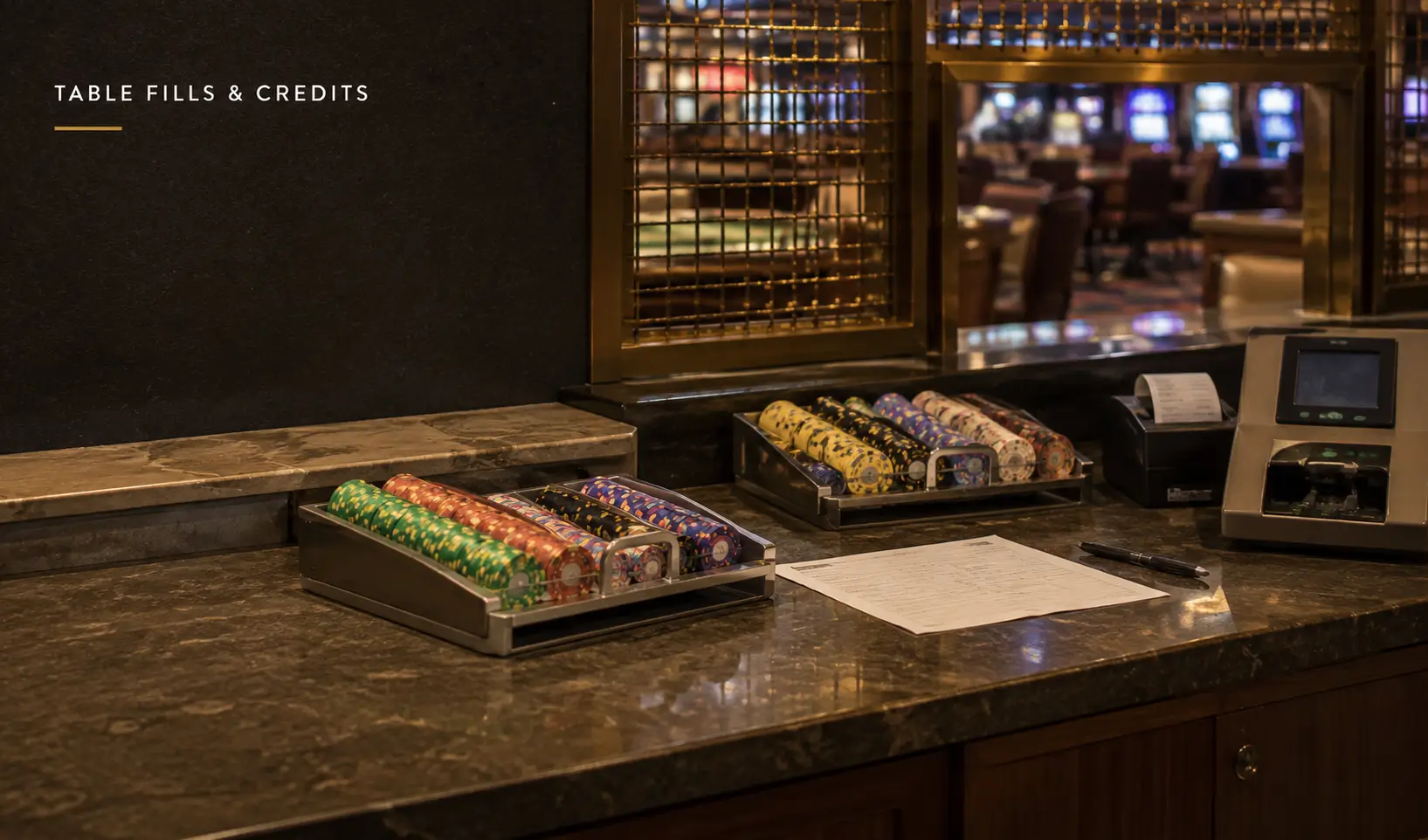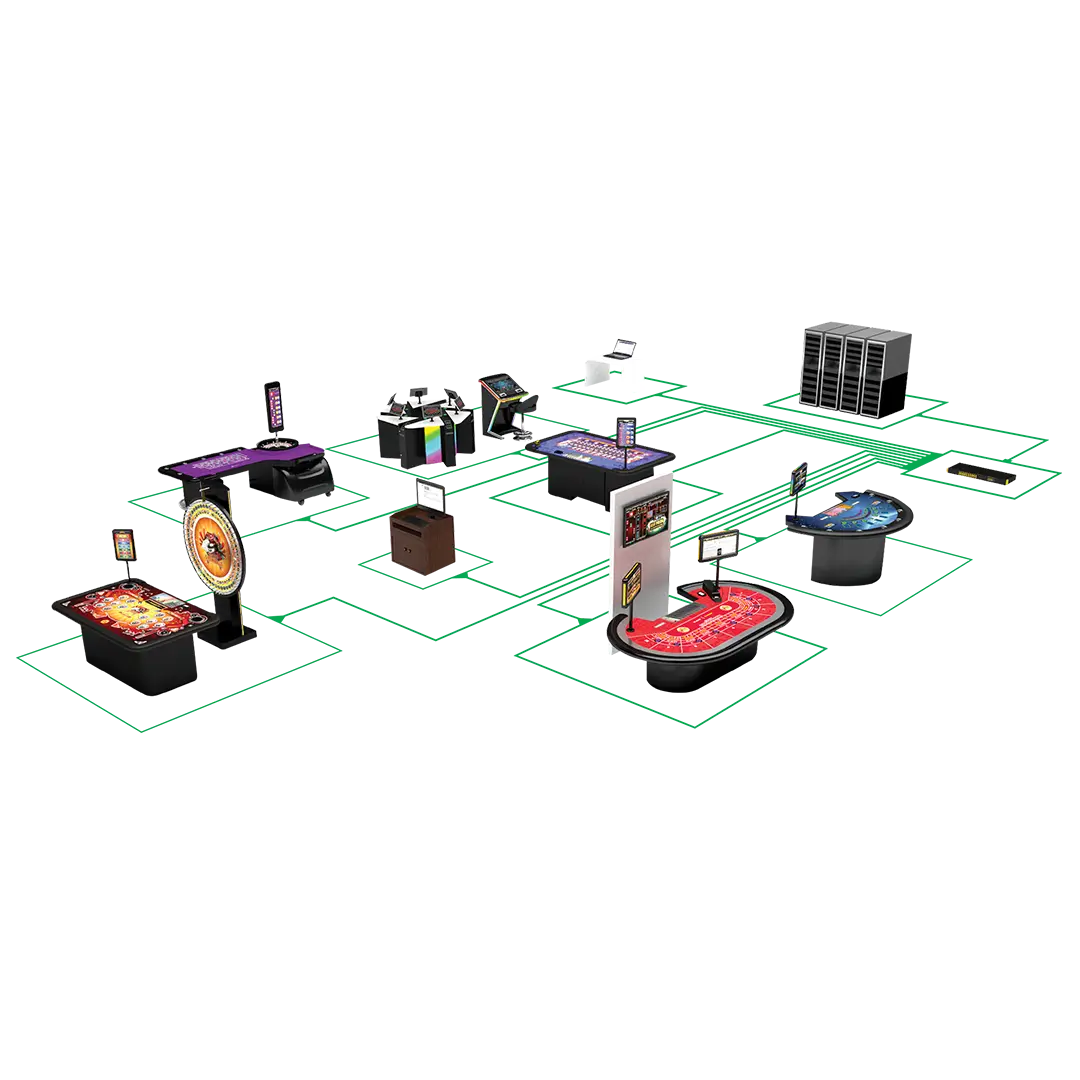

RFID table games have long been at the heart of casino operations, with traditional equipment such as slot machines, poker tables, roulette wheels, and baccarat tables shaping the player experience. These high-value assets require continuous monitoring and maintenance to ensure smooth operation and a satisfying player experience.
In recent years, casinos have started using Radio-Frequency Identification (RFID) technology on all gaming tables. By embedding a unique ID into each chip, operators can track chip value, location, and movement in real time. This greatly improves operational accuracy, reduces human error, and helps identify counterfeit chips. Coupled with an additional layer of Artificial Intelligence (AI), operational efficiency has been further enhanced.
However, the increasing reliance on this technology has raised concerns about privacy and job security. Workers and unions worldwide are increasingly aware of the broader implications of tech-driven gaming.
In Macau, nearly 1,000 casino floor supervisors reported that smart tables, rather than reducing workload, have increased it due to frequent technical issues. Staff are under pressure to handle faults immediately, which can lead to stress, injuries, or disciplinary actions.
Similarly, in Las Vegas, the Culinary Workers Union, representing tens of thousands of hotel industry employees, has expressed concern about automation’s impact on employment. To protect members, the union negotiated contract provisions including severance and opportunities for role transition in case of redundancy caused by technological advancements.
At CES 2024, demonstrations of AI-driven machines performing tasks like cooking and bartending heightened concerns about potential job displacement across the broader hospitality industry.
Meanwhile, the widespread use of RFID has put data privacy under the spotlight. In Macau, the ability to track detailed aspects of a gambler’s habits—including betting patterns, chip transfers, and buy-ins—has drawn criticism. Industry analysts warn that such surveillance could grant authorities unprecedented access to personal behaviors.
Legal experts stress that the industry must balance innovation with data protection. Pedro Cortés, a lawyer in Macau, emphasizes transparency and strict compliance with privacy laws, warning that mishandling customer data could erode trust and damage casino reputations.
Is this genuine concern or an overreaction to inevitable change? During SiGMA Asia in Manila, we spoke with iGaming expert and Aria Group International CEO Riaan Van Rooyen for insights.
SiGMA: Riaan, what was your first impression of RFID smart tables?
Riaan Van Rooyen: “When RFID first appeared in the early 2000s, it was mainly used to prevent counterfeit chips and assist VIP monitoring. I was part of a rollout at a flagship casino for high-limit tables. Back then, each table cost over $20,000, including retrofitting and system upgrades. Today, the investment remains significant, but capabilities have advanced considerably. RFID has become a powerful tool for engagement, analytics, and operational efficiency.”
SiGMA: How are RFID smart tables changing player engagement, through AR, dynamic leaderboards, or personalized prompts?
Riaan Van Rooyen: “RFID-enabled tables have transformed traditional games from static, analogue experiences into dynamic, interactive platforms. Players can see real-time betting stats, loyalty progress, and virtual ‘power-ups’ via connected apps, especially appealing to millennials and Gen Z.”
“Personalized prompts—like tailored drink offers or betting suggestions—encourage longer sessions and higher engagement. The blend of entertainment and technology makes table games competitive again in a digital casino ecosystem.”
SiGMA: Where is the line between immersive gameplay and intrusive data collection? Are guests fully informed?
Riaan Van Rooyen: “It’s a nuanced challenge. I’ve spoken to high-rollers concerned about being ‘watched.’ One VIP stopped playing after learning his chip movements were tracked in real-time. The issue is not tracking itself, but lack of clear communication.”
“Transparency is key. In my projects, we updated loyalty terms and placed subtle signage explaining data usage. Done correctly, this builds trust and allows players to opt into enhanced experiences rather than feeling surveilled.”
SiGMA: How are dealers and pit bosses responding? Are concerns about monitoring or automation discussed?
Riaan Van Rooyen: “Reactions range from cautious optimism to skepticism. Some dealers worry RFID will be used punitively. Pit bosses feel autonomy is reduced.”
“We held town halls, incorporated staff feedback, and showed how data can support roles, resolve disputes, and reward top performers. Ongoing dialogue is essential to build trust.”
SiGMA: What challenges arise integrating RFID into legacy systems?
Riaan Van Rooyen: “Legacy systems are a major challenge. In Southern Africa, we used middleware because the existing CMS did not support RFID data. This added time and costs.”
“Retrofits required electrical and Wi-Fi upgrades. Many casinos underestimate backend complexity. Phased rollouts with IT, ops, and vendors working together are essential to avoid disruptions.”
SiGMA: What retraining initiatives are offered? Are unions involved?
Riaan Van Rooyen: “The best implementations treat retraining as an investment. A two-week module can cover RFID mechanics, data handling, and guest engagement. Dealers learn troubleshooting and explanation skills. In Europe, union involvement provides structured training and stronger protections. Less regulated markets often rush training. Comprehensive programs are crucial—the human element is central to success.”
SiGMA: How do players react to privacy concerns or traditional gameplay preferences?
Riaan Van Rooyen: “Some embrace technology for loyalty and entertainment; others, especially older players, find it invasive. One high-end baccarat regular refused RFID tables, citing loss of personal freedom.”
SiGMA: How transparent are casinos about the type of data collected and access rights?
Riaan Van Rooyen: “It’s still a gray area. Players know data is tracked but not the details. Clear governance policies should define access, retention, and compliance. Only specific roles should access RFID data, and usage must align with rules. Digital trust is as critical as game fairness.”
SiGMA: Will AI and smart tables lead to full automation or enhance dealers’ roles?
Riaan Van Rooyen: “Smart tables and AI should enhance, not replace, dealers. Real-time data helps provide personalized service, upsell loyalty perks, and guide players to preferred games, creating a concierge experience. In low-margin environments, hybrid or semi-automated tables may appear, but players come for human interaction, which machines can’t replicate.”
As technology reshapes casino floors, RFID and AI unlock new opportunities for engagement, efficiency, and personalization. While challenges remain, experts believe innovation and the human touch can coexist. Through careful implementation and open dialogue, smart tables can enhance both player experience and staff roles, moving the industry toward a more dynamic and connected future.
RFID smart tables, combined with AI, enhance efficiency and interaction, but only human-centered management and transparent data practices can truly maximize their value.
Interested in our products? Click the button below to book a demo or get more information