Digital Transformation in the Gaming Industry: The Role of AI Hyper-Management Systems
The global gaming and casino industry is undergoing a structural shift driven by digital transformation, with Artificial Intelligence (AI) emerging as the core enabling technology. What distinguishes the current phase from earlier IT upgrades is the rise of AI hyper-management systems—integrated platforms that combine real-time data processing, automation, predictive analytics, and centralized control. These systems are not merely tools; they represent a new operational paradigm where decision-making is increasingly data-driven, automated, and optimized at scale.
Traditional casino digitalization focused on isolated systems: player tracking, CRM databases, surveillance, and accounting modules. However, these systems often operated in silos, limiting their strategic value.
AI hyper-management systems break this limitation by creating a unified data layer across the entire gaming ecosystem—tables, slot machines, cashier systems, surveillance, and customer touchpoints. Through continuous data ingestion and machine learning, these platforms enable real-time orchestration of operations.
For example, modern AI systems can process hundreds of millions of data points daily to optimize player incentives, table efficiency, and operational workflows . This level of integration transforms casinos into data-centric enterprises, where every operational decision—from chip tracking to marketing campaigns—is dynamically adjusted.
AI-driven systems enable casinos to monitor and manage operations in real time. This includes:
Table occupancy and betting patterns
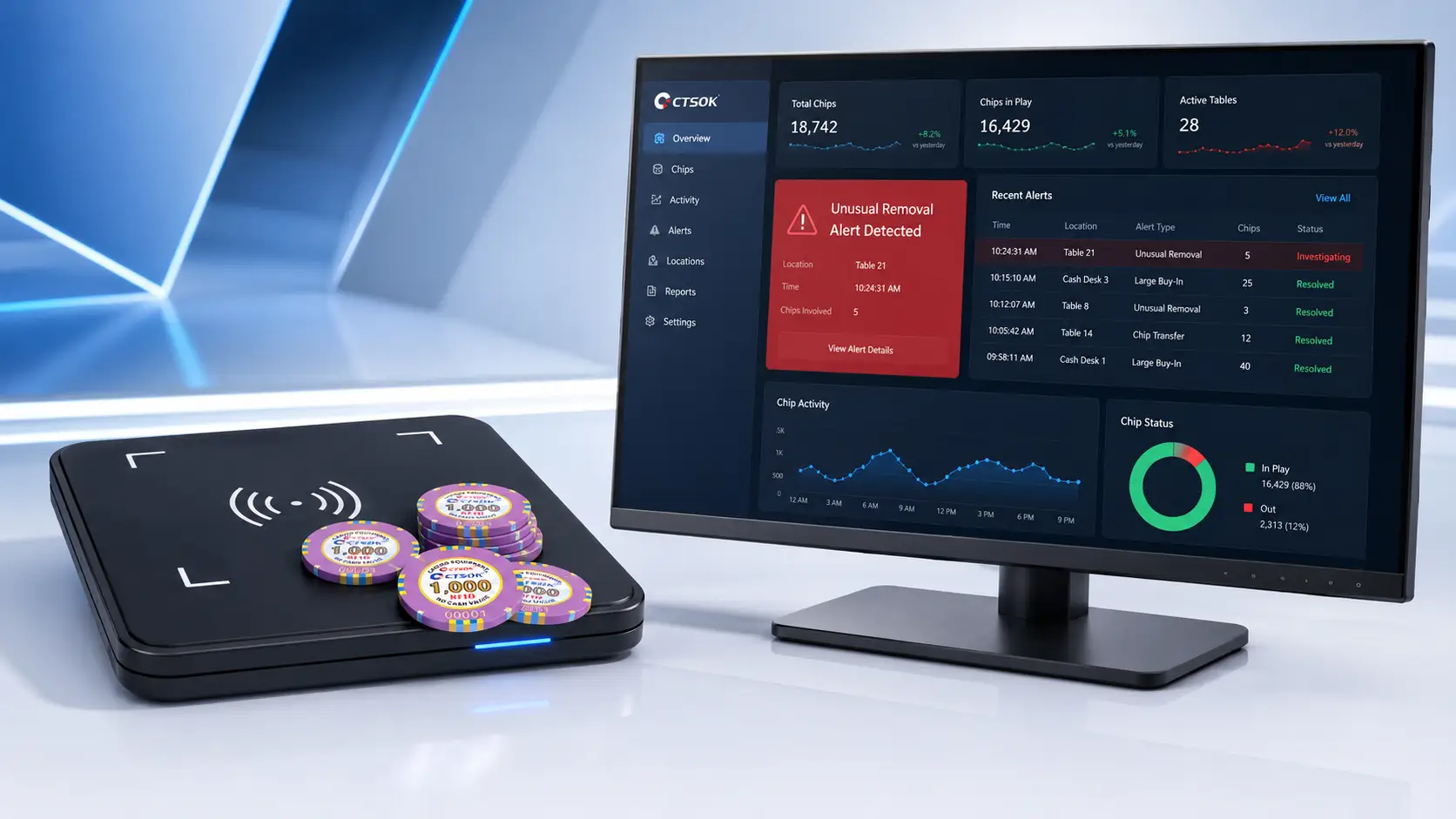
Chip flow and anomaly detection
Dealer performance and game speed
Such capabilities significantly enhance efficiency. In fact, AI-powered systems can automate and optimize operational processes, reducing manual intervention and improving throughput across gaming floors .
Personalization has become a critical competitive factor. Data shows that:
69% of players prefer personalized offers
AI recommendation systems increase revenue per user by 10–15%
AI hyper-management platforms analyze behavioral data—bet size, game preference, visit frequency—to deliver tailored promotions in real time. This shifts marketing from static campaigns to dynamic, predictive engagement models.
Security is one of the most impactful applications of AI. Hyper-management systems integrate:
Fraud detection algorithms
Behavioral anomaly recognition
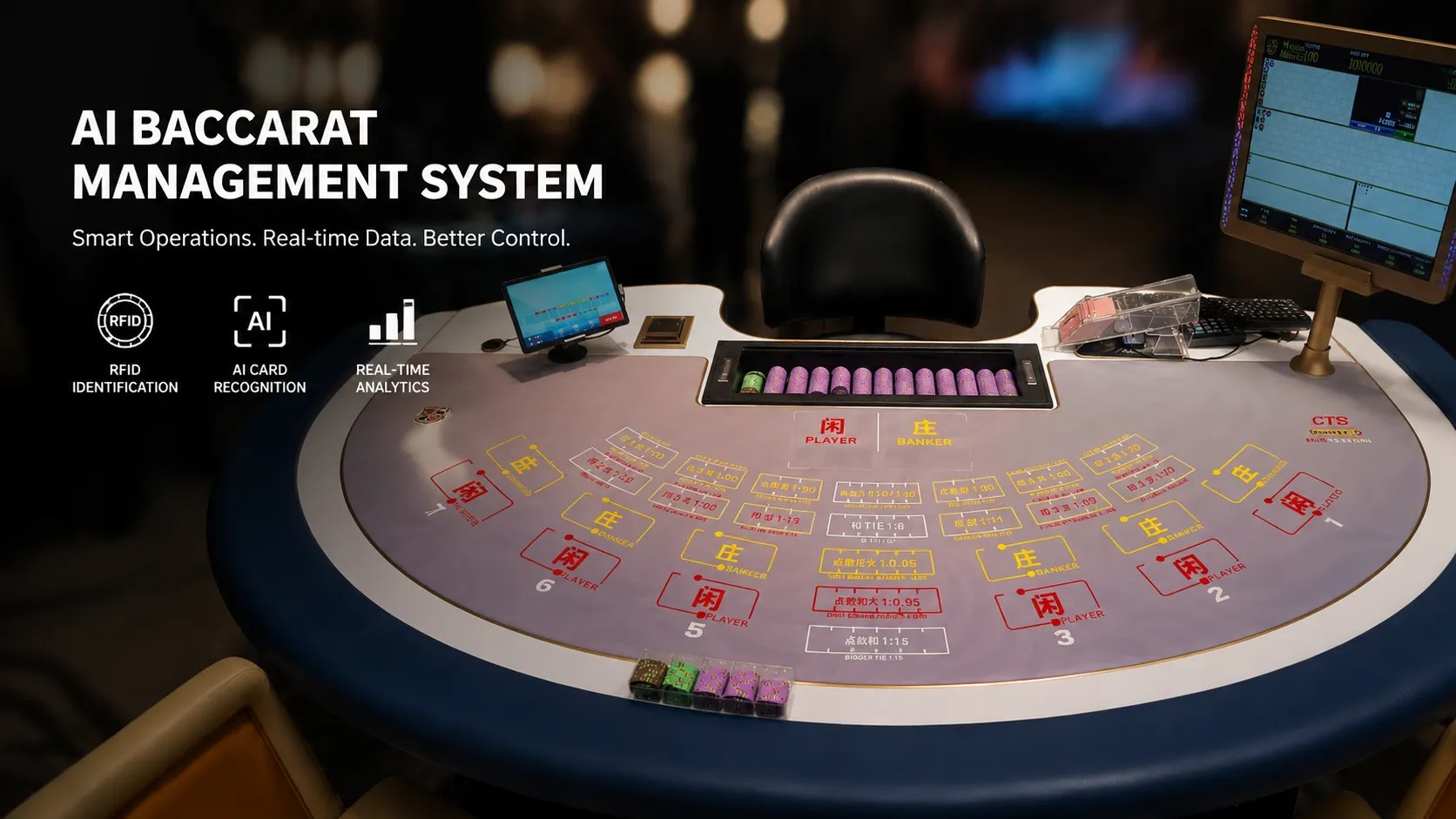
RFID-based chip tracking
AI-powered surveillance
These technologies have achieved measurable results: AI-driven fraud detection has reduced fraudulent transactions by over 90% since 2022 .
In land-based casinos, combining AI with RFID and computer vision allows full traceability of chips and transactions, significantly reducing cheating risks.
The gaming industry faces rising operational costs, particularly in marketing and labor. AI hyper-management systems address this through automation:
AI chatbots now handle 70–80% of customer service inquiries
Automated reporting eliminates manual reconciliation
Predictive maintenance reduces equipment downtime
These efficiencies are critical in a market where marketing alone can consume nearly half of operational budgets for some operators .
By reducing reliance on human intervention, AI systems enable casinos to operate with leaner, more scalable organizational structures.
AI hyper-management systems directly impact revenue generation through:
AI adjusts game parameters (e.g., payout frequency, bonus triggers) based on player behavior and engagement patterns.
Casinos using AI-driven churn models see 5–10% improvements in retention rates .
Instead of blanket promotions, AI allocates bonuses where they yield the highest ROI, improving both efficiency and profitability.
This data-centric approach transforms casinos from reactive businesses into predictive, revenue-optimized systems.
The integration of AI, IoT, and big data is giving rise to fully connected “smart casino” environments. In these ecosystems:
Every chip, table, and player interaction is digitized
Systems continuously learn and adapt
Decision-making becomes semi-autonomous
Research indicates that AI and big data together enable deeper insights into player behavior, allowing casinos to continuously refine both operations and customer engagement strategies .
By 2025, the AI gaming market is projected to reach $4.5 billion, reflecting rapid adoption across the industry .
Despite its advantages, AI-driven transformation introduces new challenges:
Handling large volumes of personal and behavioral data requires strict regulatory compliance, especially in jurisdictions with strong data protection laws.
Legacy systems often lack compatibility with modern AI platforms, making integration costly and technically demanding.
AI systems capable of influencing player behavior must be carefully managed to avoid promoting addictive patterns.
These challenges highlight the need for balanced implementation, where technological capability is aligned with regulatory and ethical frameworks.
The next evolution of AI hyper-management systems is moving toward autonomous casino operations. Future systems will likely feature:
Fully automated table management
AI-driven game outcome validation
Digital twin simulations for operational planning
Self-optimizing revenue models
In this model, human roles shift from operational control to strategic oversight, while AI handles execution at scale.
Digital transformation in the gaming industry is no longer optional—it is a competitive necessity. AI hyper-management systems sit at the center of this transformation, enabling casinos to achieve unprecedented levels of efficiency, security, and profitability.
By integrating real-time data, automation, and predictive analytics, these systems redefine how casinos operate—from fragmented management to fully connected, intelligent ecosystems. As adoption accelerates, the distinction between traditional casinos and technology-driven platforms will continue to blur, ultimately reshaping the entire industry landscape.
For operators, the question is no longer whether to adopt AI, but how quickly and effectively they can implement Casino Management System to stay competitive in an increasingly data-driven market.
Interested in our products? Click the button below to book a demo or get more information