In today's casino industry, operational efficiency, security control, and real-time data visibility have become critical competitive factors. Traditional casino management methods that rely heavily on manual chip counting, handwritten records, and surveillance review are increasingly unable to meet the demands of modern gaming environments.
As global gaming operators accelerate digital transformation, RFID casino management systems are becoming one of the most important technologies in modern casino operations.
From real-time chip tracking to intelligent table analytics, RFID systems are reshaping how casinos manage gaming floors, prevent fraud, optimize labor, and improve operational transparency.
This article explains how RFID casino management systems work, why casinos are adopting them, and how intelligent casino technologies are redefining the future of gaming operations.
An RFID casino management system is a smart gaming management solution that uses Radio Frequency Identification (RFID) technology to automatically identify, track, and monitor casino chips and gaming table activities in real time.
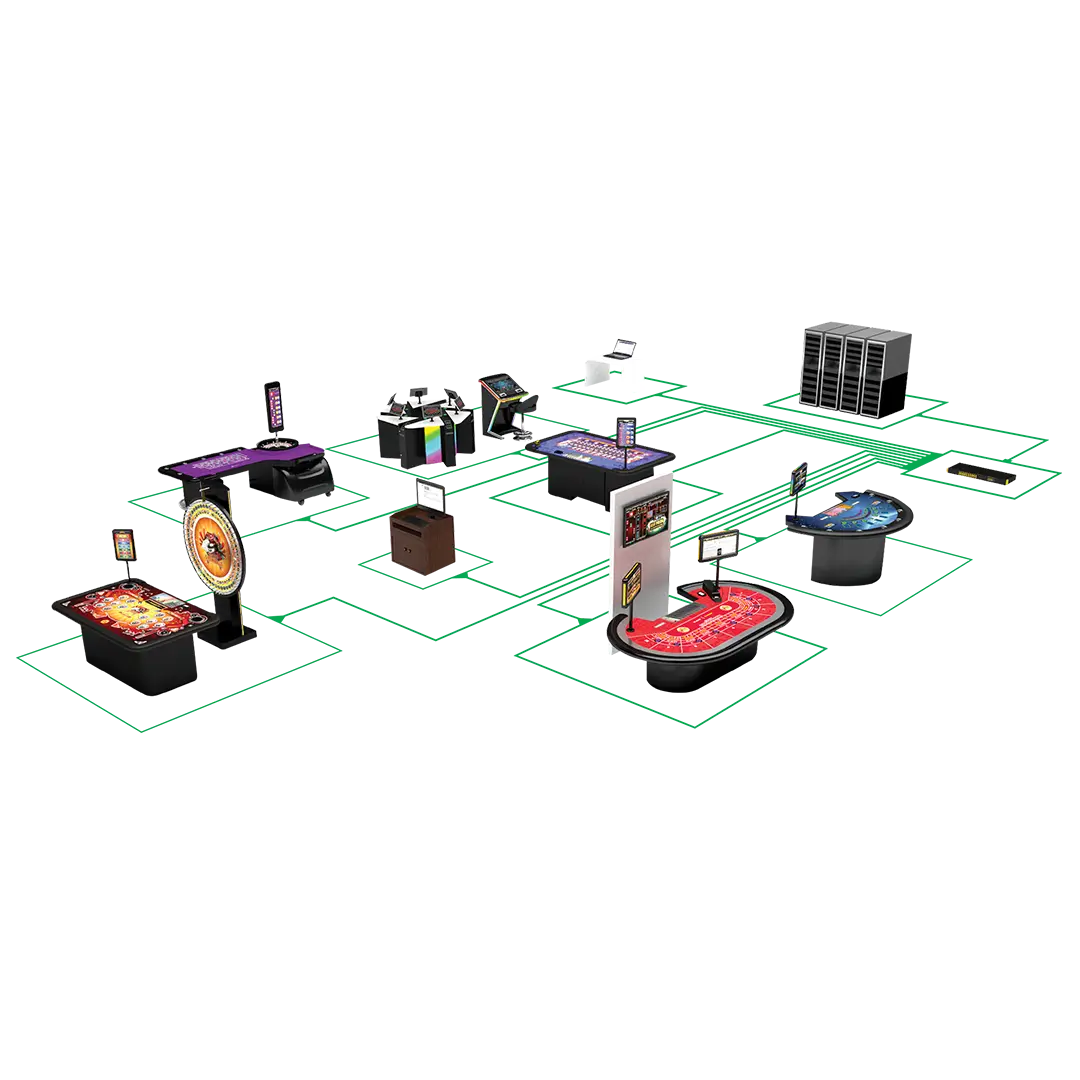
The system typically combines: RFID casino chips, RFID table antennas/readers, intelligent gaming tables, casino management software, real-time analytics dashboards, surveillance integration, and AI-assisted monitoring systems.
Unlike traditional casino operations that depend on manual counting and human supervision, RFID systems automate many critical processes across the gaming floor.

For decades, many casinos relied on manual operational procedures such as: manual chip counting, handwritten shift records, visual surveillance monitoring, manual table audits, and human-based error checking. Although these methods were standard practice, they introduced several operational challenges.
Human Error — Manual counting errors can occur during: chip exchanges, payout calculations, shift handovers, cage reconciliation, and table inventory checks. Even small inaccuracies may create significant financial discrepancies over time.
Slow Operational Processes — Traditional chip counting and table reconciliation require substantial labor and time. In large casinos operating hundreds of tables simultaneously, manual reconciliation may take: 15–30 minutes per table, several hours per shift, and significant manpower resources. This reduces operational efficiency and increases labor costs.
Fraud & Security Risks — Casinos continuously face risks related to: counterfeit chips, internal theft, collusion, chip substitution, unauthorized payouts, and dealer manipulation. Traditional surveillance systems often rely on reviewing video footage after incidents occur, limiting real-time response capability.
Lack of Real-Time Data — Many traditional gaming floors lack instant visibility into: live table performance, chip circulation, player activity, betting patterns, table occupancy, and revenue analytics. Without real-time data, management decisions become slower and less accurate.
RFID technology allows casinos to digitally identify and monitor chips through embedded radio-frequency tags. Each RFID casino chip contains a unique electronic identifier that can be detected by specialized RFID readers installed beneath or around gaming tables. When chips move across the table, the system automatically records: chip value, position, movement, transaction timing, and betting activity. This creates a continuous real-time data stream for casino management systems.
The RFID infrastructure has four core components that work together seamlessly:
RFID casino chips contain embedded RFID microchips that store unique identification data. Each chip can include: chip denomination, unique serial number, authentication data, security encryption, and tracking information. Unlike traditional chips, RFID chips cannot easily be duplicated or counterfeited. Modern RFID casino chips are designed to maintain: durability, signal stability, fast read performance, and long operational lifespan.
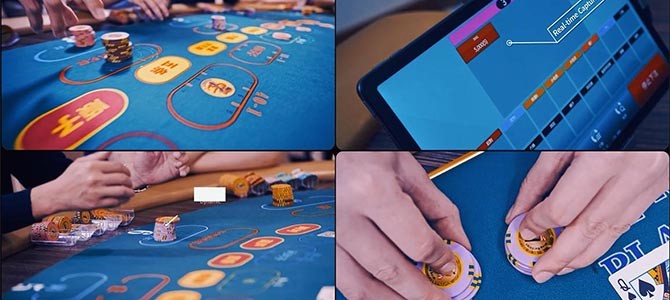
Smart gaming tables integrate RFID antennas and sensors beneath the playing surface. These tables can automatically detect: chip placement, betting amounts, winning payouts, chip movement, and dealer actions. RFID-enabled baccarat tables, roulette tables, and blackjack tables are becoming increasingly common in modern casinos.
RFID readers capture data from chips in real time. These readers are typically embedded in: gaming tables, chip trays, cashier cages, count rooms, and table management systems. High-performance RFID readers can identify multiple chips simultaneously with extremely high accuracy.
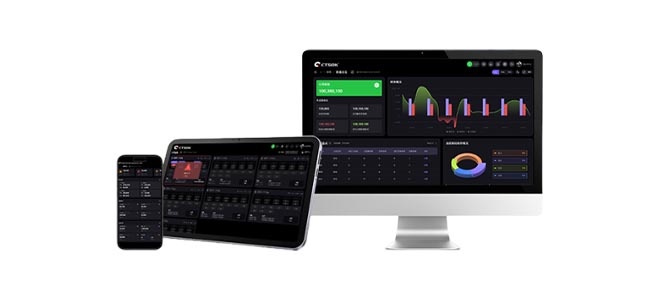
The software layer acts as the operational brain of the RFID system. It processes real-time data for: table monitoring, operational reporting, shift reconciliation, revenue analytics, security alerts, chip inventory management, and surveillance integration. Management teams can monitor gaming floor activity through centralized dashboards.
One of the most powerful capabilities of RFID casino systems is real-time chip tracking. Every chip movement can be automatically recorded, including: buy-ins, betting activity, payouts, table transfers, chip inventory movement, and cashier transactions. This allows casinos to achieve unprecedented operational visibility.
Security is one of the primary reasons casinos invest in RFID technology.
Anti-Counterfeit Protection: Each RFID chip contains a unique digital identity. If counterfeit chips enter the system, the software can immediately detect unauthorized IDs. This dramatically reduces the risk of fake chip circulation.
Real-Time Fraud Detection: RFID systems can automatically identify suspicious activity patterns such as: unusual betting behavior, abnormal chip movement, unauthorized payouts, inconsistent chip inventory, and suspicious dealer activity. Instead of relying solely on post-event video review, casinos can receive real-time alerts.
Enhanced Audit Trails: RFID systems automatically generate digital operational records. Every transaction can be traced with: timestamp, table number, dealer information, chip movement history, and transaction details. This improves accountability and regulatory compliance.
Operational efficiency is another major benefit.
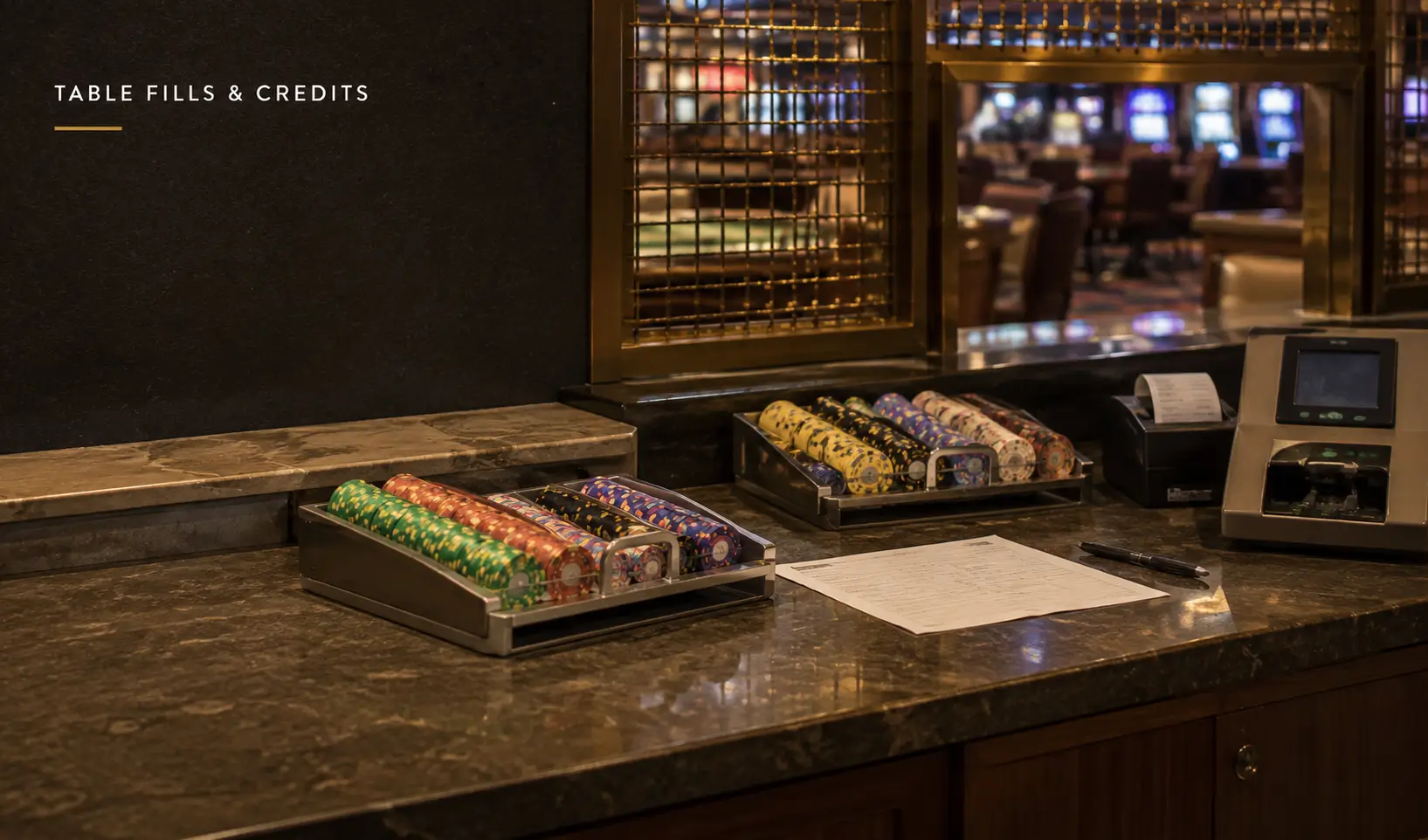
Faster Shift Handovers — Traditional table reconciliation may require: manual chip counting, paper documentation, and supervisor verification. RFID systems can complete chip inventory scanning within seconds. Many casinos reduce table handover time from: 20–30 minutes to less than 1 minute.
Automated Reporting — The system automatically generates: revenue reports, dealer performance reports, table occupancy data, gaming statistics, and shift summaries. This significantly reduces administrative workload.
Reduced Labor Costs — Automation reduces the need for repetitive manual tasks such as: chip counting, data entry, manual auditing, and inventory verification. Casino staff can focus on higher-value operational tasks.
Modern casinos increasingly rely on data-driven decision-making. RFID systems provide advanced table analytics including: table profitability, peak operating hours, average bet size, dealer efficiency, player behavior trends, and occupancy rates. These insights help operators optimize gaming floor performance.
Different casino games present unique operational challenges. RFID technology helps standardize table management while improving visibility and control across multiple gaming environments.
Baccarat remains one of the most important table games in many Asian gaming markets, particularly in regions such as Macau and Singapore. Because baccarat tables often involve: high chip circulation, fast betting speed, large transaction volumes, and VIP gaming activity, manual operational control becomes increasingly difficult. RFID baccarat systems help casinos automatically monitor: total betting volume, Player/Banker wagers, tie bets, chip movement, payout accuracy, and dealer operational activity.
Real-Time Betting Recognition: Traditional baccarat operations rely heavily on dealer observation and manual supervision. With RFID-enabled baccarat tables: every betting area can be digitally monitored, chip values are automatically recognized, betting totals are calculated instantly, and payout validation becomes automated. This greatly reduces dealer calculation errors.
Faster Table Reconciliation: In traditional baccarat operations, supervisors often spend significant time verifying: table inventory, chip balances, dealer transactions, and shift accounting. RFID systems automate these processes and provide instant reconciliation data. Some modern gaming operations report dramatic reductions in shift handover time after deploying intelligent table systems.
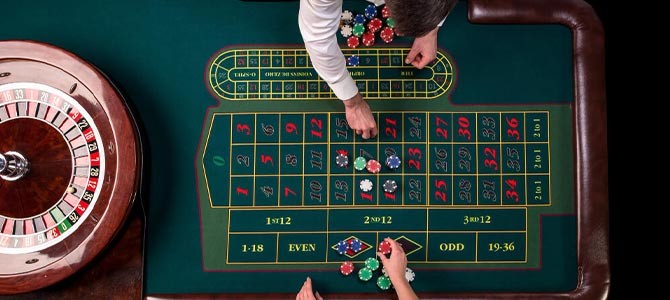
Roulette tables present different operational challenges because of the large number of betting positions. An RFID roulette management system can monitor: betting layouts, chip distribution, winning calculations, table activity trends, and payout verification. This helps improve both speed and accuracy.
Improved Dispute Resolution: One common challenge in roulette operations involves betting disputes. RFID systems can digitally reconstruct betting activity by recording: exact chip placement, bet timing, chip value, and winning outcomes. This creates a verifiable operational record.
Blackjack operations require continuous tracking of: betting amounts, insurance bets, side bets, payout ratios, and dealer actions. RFID-enabled blackjack tables can automatically collect operational data for both surveillance and analytics purposes.
One of the most powerful advantages of RFID systems is integration with casino surveillance infrastructure. Traditional surveillance systems primarily rely on: human observation, video recording, and manual incident review. RFID systems introduce operational intelligence into surveillance environments.
How RFID Surveillance Integration Works: When integrated with surveillance systems, RFID data can synchronize with: CCTV footage, table activity logs, dealer operations, chip movement records, and alarm systems. This allows security teams to instantly investigate operational anomalies.
For example: If unusual chip movement occurs at a table, surveillance software can automatically: flag the incident, identify the timestamp, locate the relevant video footage, and generate operational alerts. This significantly reduces investigation time.
Real-Time Operational Dashboards: Modern RFID casino systems provide centralized operational dashboards for management teams. These dashboards may display: active gaming tables, live betting volume, dealer performance, chip inventory, revenue statistics, table occupancy, and security alerts. This creates a highly transparent operational environment.
Modern gaming technology is increasingly combining RFID with AI-powered analytics. AI systems can analyze RFID-generated data to identify: suspicious behavioral patterns, operational inefficiencies, high-risk activities, and revenue optimization opportunities. This creates predictive operational intelligence instead of reactive management.
For example: AI systems may detect: abnormal betting timing, irregular chip movement, unusual dealer patterns, and unexpected payout inconsistencies, before human operators notice them.
The global gaming industry is undergoing major technological transformation. Several factors are driving adoption of RFID and intelligent casino systems.
Increasing Operational Complexity — Modern casinos manage: hundreds of gaming tables, thousands of daily transactions, massive chip circulation, and large surveillance infrastructures. Manual systems are becoming increasingly difficult to scale efficiently.
Rising Security Requirements — Gaming regulators and operators continue to strengthen requirements related to: anti-fraud measures, operational transparency, audit traceability, and financial accountability. RFID systems support stronger compliance and operational visibility.
Demand for Real-Time Data — Modern casino management increasingly depends on real-time operational intelligence. Operators want immediate visibility into: table performance, revenue fluctuations, player activity, and operational risks. RFID systems provide this data continuously.
Labor Optimization — Labor costs remain a major operational expense for casinos worldwide. Automation helps reduce repetitive manual workloads while improving operational consistency.

The gaming industry is also moving toward cashless and digital payment environments. Many casinos are investing in: digital wallets, mobile gaming payments, contactless transactions, and smart player tracking systems. RFID infrastructure can support this transition by creating a more connected gaming ecosystem.
How RFID Supports Cashless Operations: RFID systems can integrate with: casino management software, player membership systems, digital accounting platforms, and electronic payment environments. This creates smoother transaction workflows across gaming operations.
The future of gaming is no longer centered around isolated tables or standalone systems. Instead, casinos are moving toward fully connected operational ecosystems. A smart casino environment may include: RFID gaming tables, AI surveillance systems, real-time analytics, automated accounting, intelligent reporting, centralized management dashboards, and predictive operational monitoring. RFID technology acts as a core data infrastructure layer within these ecosystems.
The casino industry is rapidly evolving toward smart casino ecosystems. A smart casino integrates: RFID systems, AI monitoring, video analytics, real-time reporting, digital surveillance, intelligent table management, and automated accounting systems. RFID technology serves as a foundational infrastructure layer for these intelligent casino environments.
Casinos invest heavily in technology because operational inefficiencies directly impact profitability. RFID systems create measurable business value across several categories.
Reduced Operational Losses — By improving visibility and automation, RFID systems help reduce losses caused by: human error, miscounting, fraud, counterfeit chips, and reporting inconsistencies.
Improved Operational Speed — Automation accelerates: shift handovers, chip counting, table reconciliation, reporting workflows, and surveillance investigations. Faster operations improve overall gaming floor productivity.
Better Decision-Making — Data analytics help management teams optimize: table allocation, staffing, VIP operations, peak-hour management, and revenue forecasting.
Enhanced Player Experience — Although RFID systems primarily support operations, they also indirectly improve player experience through: faster payouts, reduced operational interruptions, improved table flow, and better service efficiency.
Despite the advantages, RFID implementation also presents operational challenges.
Infrastructure Investment — RFID systems require investment in: smart gaming tables, RFID chips, readers and antennas, software infrastructure, and network systems. For large casinos, deployment costs can be substantial. However, many operators view RFID as a long-term operational investment rather than a short-term expense.
System Integration Complexity — Casinos often operate multiple legacy systems. RFID deployment may require integration with: existing surveillance systems, accounting platforms, player management software, and cage management systems. Careful planning is required to ensure compatibility.
Staff Training Requirements — Casino employees must learn how to operate: intelligent table systems, RFID reporting software, alert systems, and operational dashboards. Successful deployment depends on operational training and workflow adaptation.
Signal and Environmental Challenges — RFID performance can sometimes be affected by: metal interference, table structure, signal overlap, and environmental factors. Modern RFID systems continue improving read accuracy and stability.
Industry analysts continue to project strong growth in casino automation technologies. Several global trends are accelerating adoption: smart gaming infrastructure, AI-powered analytics, digital surveillance, real-time operational management, and cashless gaming ecosystems. Many gaming technology suppliers now position RFID systems as a core component of future casino operations.
Asian gaming markets have become major adopters of intelligent table technology. Regions such as: Macau, Singapore, the Philippines, and Vietnam continue investing in operational digitalization. Baccarat-heavy gaming environments particularly benefit from RFID table management due to high transaction volumes.

Many North American casinos are also modernizing gaming infrastructure through: smart table systems, player analytics, RFID chip tracking, and automated reporting systems. Operational efficiency and compliance remain key drivers.
The next phase of casino technology will likely combine: RFID, AI, computer vision, predictive analytics, machine learning, and automated surveillance. Future systems may automatically identify: cheating patterns, operational risks, abnormal player behavior, and dealer inconsistencies, with minimal human intervention.
From Reactive Management to Predictive Operations: Traditional casino management often reacts after incidents occur. Future intelligent casino systems aim to predict operational risks before losses happen. This represents a major transformation in gaming management philosophy.
As casino technology continues evolving, gaming operators are no longer looking for isolated hardware products. Instead, casinos increasingly demand integrated operational ecosystems capable of combining: security management, real-time analytics, intelligent reporting, automated accounting, surveillance coordination, and operational efficiency optimization. This is where advanced RFID casino management platforms become especially valuable.
Modern intelligent casino systems are designed not only to track chips, but also to create a fully connected digital gaming environment.
In the past, casino tables primarily served as physical gaming platforms. Today, intelligent gaming tables are becoming operational data centers. Modern smart tables may integrate: RFID chip recognition, table sensors, AI analytics, real-time reporting, video surveillance synchronization, dealer management systems, and automated operational logs. This allows casinos to transform gaming floors into highly measurable operational environments.
The future of casino management is no longer dependent on standalone tools. Successful modern gaming operations require coordination between multiple operational areas:
Table Management — Real-time table monitoring
Security — Fraud detection & chip authentication
Accounting — Automated reconciliation
Surveillance — Incident verification
Management — Operational analytics
Marketing — Player behavior insights
Compliance — Audit trail generation
RFID technology acts as the foundational data layer connecting these operational systems together.
One of the most important trends in modern casino management is the shift toward real-time operational visibility. Casino operators increasingly expect immediate access to: live table status, real-time chip inventory, active betting volume, dealer activity, table profitability, shift performance, and security alerts. Traditional reporting systems often provide delayed or incomplete information. RFID systems significantly improve operational transparency by continuously collecting live gaming data.
Competition within the global gaming industry continues intensifying. Modern casino operators must balance: operational efficiency, regulatory compliance, player satisfaction, labor management, and security control. Technology investment is increasingly viewed as a strategic operational advantage rather than an optional upgrade.
Casinos capable of leveraging intelligent management systems often gain advantages in: operational speed, reporting accuracy, risk control, and long-term scalability.
Gaming regulation is becoming increasingly data-driven. Many regulatory authorities now require stronger: transaction traceability, operational accountability, financial transparency, and audit documentation. RFID systems support compliance by automatically generating digital operational records.
This helps casinos maintain: detailed transaction histories, chip tracking logs, shift reports, and operational audit trails.
Data has become one of the most valuable assets in casino management. Through RFID systems, operators can analyze: betting trends, table efficiency, occupancy patterns, dealer performance, and operational risk indicators. This information supports more informed business decisions across gaming operations.
Real-time analytics allow casinos to optimize: staffing schedules, table availability, peak-hour operations, VIP room management, and gaming floor layouts. Instead of relying entirely on manual observation, management teams can make decisions based on measurable operational data.
The combination of RFID and artificial intelligence represents one of the most important directions in casino technology development. AI systems can process large volumes of RFID-generated operational data to identify: behavioral anomalies, operational inefficiencies, suspicious activity, and predictive risk indicators. This creates a more proactive operational management model.
Traditional surveillance systems primarily record events. Future intelligent surveillance systems will increasingly analyze events in real time. By integrating: RFID tracking, AI analytics, and computer vision, casinos may eventually create fully intelligent gaming environments capable of automated operational monitoring.
The next generation of casinos will likely feature: fully connected gaming tables, automated accounting systems, AI-assisted surveillance, predictive operational analytics, and intelligent player management systems. RFID technology will continue playing a central role within these environments.
Several long-term industry trends support continued RFID adoption:
Digital Transformation — Casinos worldwide are modernizing operational infrastructure.
Security Enhancement — Operational security requirements continue increasing.
Automation Demand — Casinos seek greater operational efficiency through automation.
Data-Driven Management — Real-time analytics are becoming essential for decision-making.
Smart Gaming Expansion — Intelligent gaming environments are becoming more common globally.
RFID casino management systems are transforming how modern casinos operate. By combining: real-time chip tracking, intelligent table monitoring, automated reporting, surveillance integration, and operational analytics, RFID technology enables casinos to improve: security, efficiency, transparency, and operational control.
As the gaming industry continues embracing AI, automation, and digital transformation, intelligent RFID systems are expected to become an increasingly important component of future casino operations. For casinos seeking to modernize gaming infrastructure, improve operational visibility, and strengthen risk management capabilities, RFID technology represents one of the most significant innovations shaping the future of the industry.
What is an RFID casino management system?
An RFID casino management system is a smart casino technology solution that uses RFID-enabled chips and intelligent table systems to monitor gaming operations in real time.
How do RFID casino chips work?
RFID casino chips contain embedded radio-frequency microchips with unique digital identifiers. RFID readers installed in gaming tables automatically detect and track chip movement.
Why do casinos use RFID technology?
Casinos use RFID systems to improve: security, operational efficiency, chip tracking, fraud prevention, reporting accuracy, and real-time analytics.
Can RFID systems prevent counterfeit casino chips?
Yes. RFID chips contain unique encrypted identification data that helps casinos detect unauthorized or counterfeit chips.
Which casino games commonly use RFID systems?
RFID technology is commonly used in: Baccarat, Roulette, Blackjack, Poker, Sic Bo, and VIP gaming rooms.
What are the advantages of RFID gaming tables?
RFID gaming tables help casinos achieve: real-time table monitoring, faster reconciliation, automated reporting, improved surveillance integration, and reduced operational errors.
Interested in our products? Click the button below to book a demo or get more information