
In modern casino operating systems, casino gaming tables are not only the basic carrier for table games but also core fundamental equipment in the overall operational structure. As the casino industry continues to evolve toward professionalism, refinement, and systematization, the functional positioning and application value of gaming tables have also undergone significant changes.
In the past, casino gaming tables were mainly regarded as simple game operation platforms, with their core task focused on providing a stable table surface and standardized gaming area. However, under the modern casino operation model, the role of gaming tables has gradually expanded to include player experience management, table process control, equipment system integration, and other aspects.
Stable and high-quality casino gaming tables directly affect gaming efficiency and the overall image of the venue. The rational design, material durability, and structural stability of table equipment not only influence daily service life but also have a substantial impact on gaming fluency and operational accuracy.
According to different game requirements and venue configurations, casino gaming tables can be divided into various professional types:
Casino Poker Table
Blackjack Table
Baccarat Table
Multi‑Function Casino Gaming Table
Different types of casino gaming tables vary in table layout, operation areas, and functional design to meet the rules and management requirements of various games.
For example, poker tables emphasize player interaction and chip operation space, while baccarat tables focus on the clarity and visual readability of betting areas.
In a professional casino environment, the functions of gaming tables go far beyond traditional understanding. Their core value is mainly reflected in the following aspects:
Casino gaming tables first undertake the important task of ensuring stable game flow. Each type of table must have clearly divided operation areas to guarantee that betting, dealing, chip handling, result display, and other steps are carried out within a standardized framework.
A reasonable table layout effectively reduces operational interference, improves dealer efficiency, and lowers errors caused by poor structural design. For high-frequency table games, table stability is particularly critical.
Casino gaming tables are also an important part of the player experience. Table dimensions, edge design, surface materials, and visual presentation directly affect player comfort and operational convenience.
In long gaming sessions, ergonomic design significantly improves user experience. Table texture, chip sliding smoothness, and betting area readability are key factors affecting gaming experience.
During table games, casino gaming tables provide a stable and standardized space for fund and chip operations. The table structure must support efficient chip flow, convenient operation, and clear management to ensure game order and efficiency.
Professional tables usually feature clearer zoning and highly wear-resistant surfaces to withstand high-frequency chip operations.
Casinos are high-intensity usage scenarios, and gaming tables must endure continuous operation and frequent use. Stable and reliable table structure helps reduce equipment failure rates and maintenance costs while ensuring uninterrupted daily operations.
Material durability and manufacturing quality are important factors affecting equipment service life.
In the casino equipment system, casino gaming tables are not only basic hardware but also an important carrier of operational efficiency, brand image, and management mode. With changes in the casino operating environment and deeper technology application, tables have gradually evolved from single-use tools to integrated management nodes.
From an operational perspective, casino gaming tables undertake multiple functions. First, game process support: table structure directly affects dealing, betting, settlement, and other operational rhythms, and professional design ensures process continuity and stability. Second, space management: table layout and dimensions affect venue utilization, circulation design, and guest interaction experience.
In high-frequency operations, structural reliability is critical. Table surfaces require wear resistance, stain resistance, and long-term stability; frames must support load capacity and deformation resistance. Professional casino tables often use multi-layer structures to improve overall durability and lifespan.
The design philosophy of casino gaming tables has changed significantly in recent years. Traditional tables focused on practical functionality, while modern designs emphasize multi-dimensional balance: operational efficiency, visual presentation, and maintenance convenience.
In terms of operation, table zoning has become standardized. Different games have different requirements for betting areas, dealing areas, and control zones, so professional casino tables are structurally optimized according to game rules. For example:
Casino poker tables emphasize clear player zones and viewing comfort
Baccarat tables prioritize betting area visibility and dealer convenience
Multi‑function casino tables require flexible configuration capabilities
Such differentiated design responds to actual operational needs rather than mere appearance changes.
Visually, tables have become an important element of casino space image. Material selection, color matching, and finishing directly affect venue professionalism and brand tone. High-quality casino tables usually use durable edging materials and anti-aging surface treatment to maintain stable appearance during long-term use.
In daily casino management, table equipment is directly linked to operational efficiency. Stable and reliable gaming tables reduce interference and delays, fundamentally affecting overall operational rhythm.
Specifically, table equipment influences management processes in many ways:
1. Operational Consistency
Standardized casino gaming tables help unify procedures and reduce errors and delays caused by equipment differences.
2. Maintenance Convenience
Easy-maintenance design reduces downtime and improves equipment availability, which is especially important in high-traffic operations.
3. Staff Adaptation Efficiency
Rational table design affects how quickly dealers and managers adapt, indirectly influencing training costs and work stability.
In large casino operations, table stability is often directly related to long-term management costs. Although high-durability gaming tables require higher initial investment, they reduce replacement and repair frequency over time.
With deeper technology integration, casino gaming tables are gradually developing toward intelligence and datafication. It should be clear that intelligence is not just equipment upgrade but functional expansion of tables as management nodes.
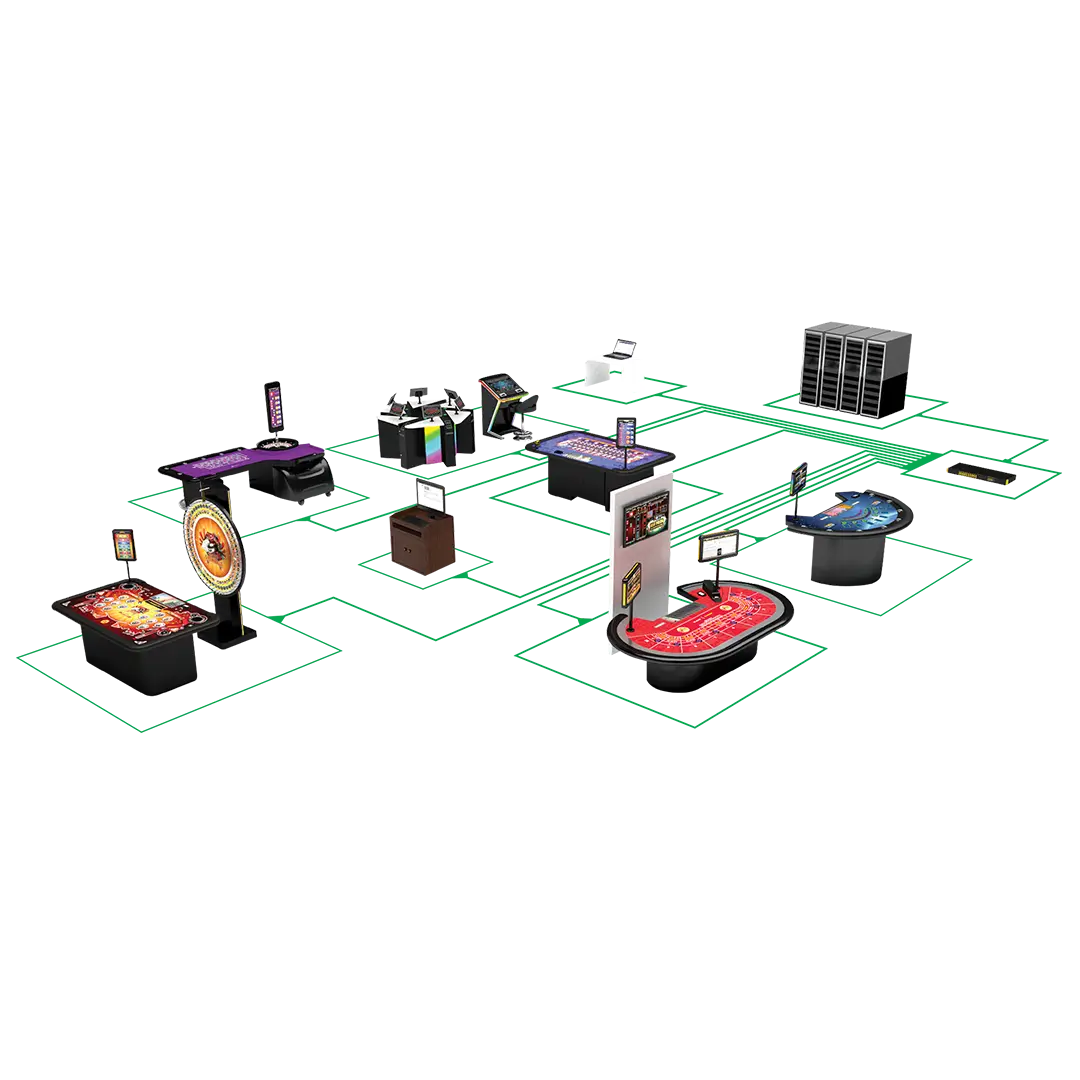
Modern intelligent casino gaming tables support various system integration directions, such as:
Table Data Collection Systems
Real-Time Operation Monitoring Modules
RFID Chip Identification Technology
Desktop Equipment Interaction Interfaces
The core value of these technologies is to improve management visibility and operational transparency, not to change the game itself.
Taking RFID technology as an example, tables serve as an important carrier for chip identification and data recording, helping casinos achieve more accurate cash flow management and anomaly monitoring. Such applications have gradually become one of the key directions for high-end casino equipment upgrades.
For professional intelligent casino gaming tables and related solutions, please refer to: CTSOK Casino Equipment
Interested in our products? Click the button below to book a demo or get more information