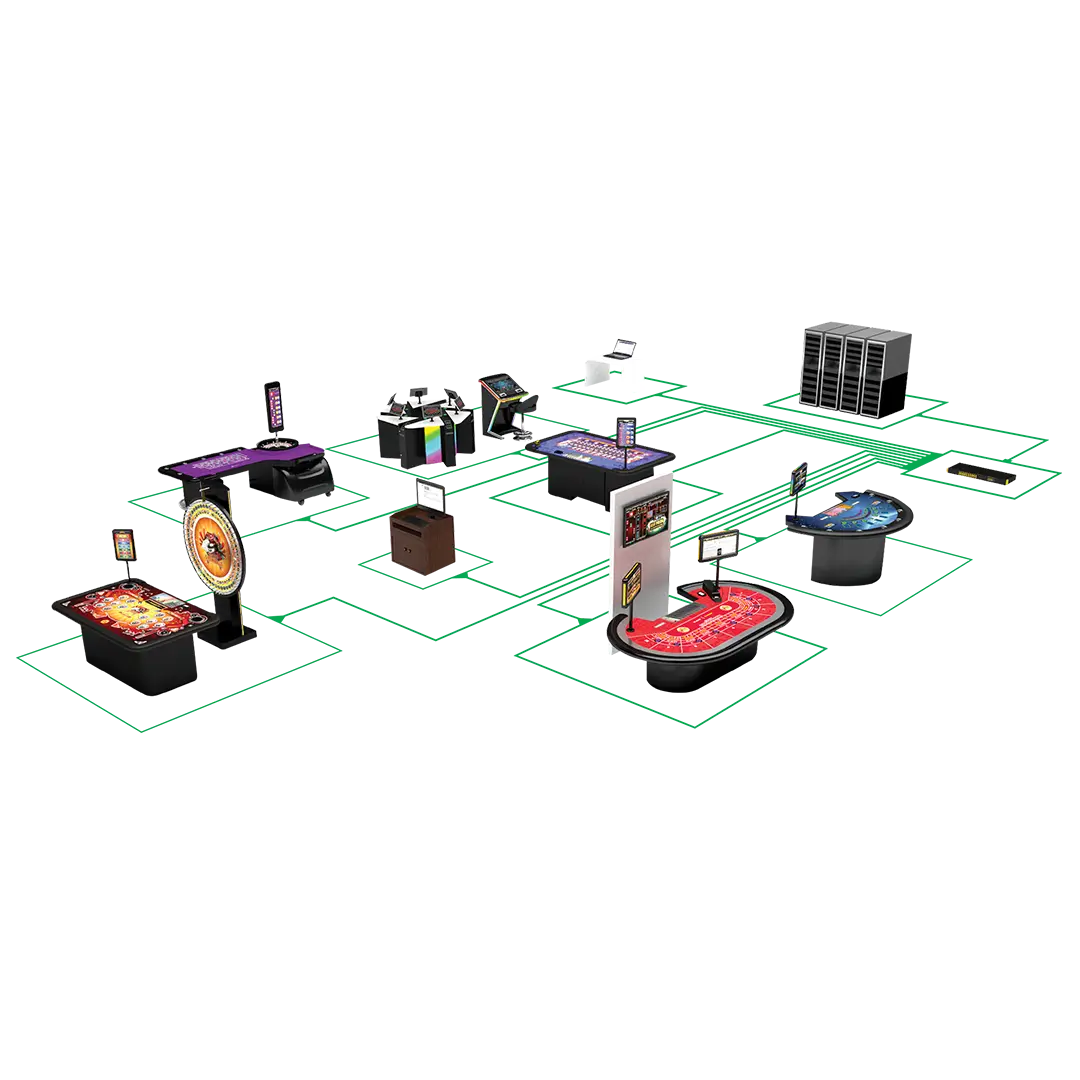

A baccarat table needs a controlled quantity of gaming chips to operate.
During a shift, the chips held at the table may increase or decrease for many reasons. Players may exchange cash or approved instruments for chips, winning wagers may require payouts, losing wagers return chips to the table bank, and the mix of denominations in the chip tray may gradually become unsuitable for continued operation.
When the table needs additional chips, the casino may perform a table fill. When excess chips are removed from the table and returned to the cage or another secure accountability area, the transaction is generally handled as a table credit.
These movements are different from ordinary wagers and payouts. They transfer controlled gaming assets between operational areas and therefore require clear authorization, counting and documentation.
A casino management system can help connect each fill or credit with the correct baccarat table, shift, employees, chip denominations and approval records.
A table fill adds chips, tokens or other approved monetary equivalents to a gaming table.
A fill may be required when the table does not have enough chips of a particular denomination to support normal payouts, exchanges or other approved table procedures.
For example, a baccarat table may still hold a sufficient total chip value while having too few chips in the denominations most frequently required. The fill therefore needs to identify more than one total amount. It may also need to record the quantity or value transferred for each denomination.
A typical fill process may involve:
The table or pit identifies that additional chips are required;
An authorized employee requests or approves the fill;
The cage prepares the required chips;
A runner transports the chips and corresponding documentation;
The dealer and responsible employees verify the transfer;
The chips are placed into the table tray;
The completed transaction becomes part of the table and cage records.
The exact participants, forms and approval requirements depend on the casino’s internal controls and applicable jurisdiction.
The management system supports this workflow by associating the transaction with a specific baccarat table, rather than recording it only as a general movement of chips.
A table credit moves excess chips, tokens or approved monetary equivalents away from the table and back to the cage or another controlled area.
This may be required when:
The table holds more chips than necessary;
Certain denominations have accumulated in the tray;
The table is being closed;
The table bank is being adjusted;
Chips need to be returned under an approved operating procedure.
A credit should not be confused with gaming credit issued to a player.
In table-game inventory procedures, a table credit refers to assets being removed from the gaming table. Player credit or marker activity is a separate subject with its own authorization and documentation requirements.
During a table credit, the chips removed from the tray are counted, documented and transferred under the operator’s approved controls. The related records should identify where the chips came from, where they were sent and who verified the movement.
A fill and a credit move chips in opposite directions.
A fill increases the table bank. A credit reduces it.
If both are entered only as general inventory adjustments, the system loses important operational meaning. Authorized reviewers need to understand not only that the inventory changed, but why it changed and which approved transaction produced the difference.
Separate records also help distinguish table fills and credits from:
Player buy-ins;
Winning payouts;
Losing wagers;
Chip exchanges;
Opening inventory;
Closing inventory;
Promotional-chip activity;
Manual corrections.
These events can all change the quantity or composition of chips at a baccarat table, but they do not represent the same operational process.
A correctly configured casino management system keeps the transaction type attached to the related table record.
The fields required for a table fill or credit vary by jurisdiction and operating procedure. However, a structured record commonly needs enough information to identify the transaction and support later reconciliation.
This may include:
Table number;
Gaming area or pit;
Transaction type;
Date and time;
Current shift;
Chip denomination;
Quantity or value by denomination;
Total transaction value;
Requesting employee;
Cage employee;
Runner;
Dealer;
Pit supervisor;
Approval status;
Related slip or transaction number;
Void or correction status;
Reason for an adjustment.
The table, cage and accounting records should refer to the same transaction in a consistent way.
A transaction number is particularly important because names, amounts and table numbers may occur repeatedly. A unique reference allows authorized staff to connect the electronic record with the applicable physical or electronic documentation.
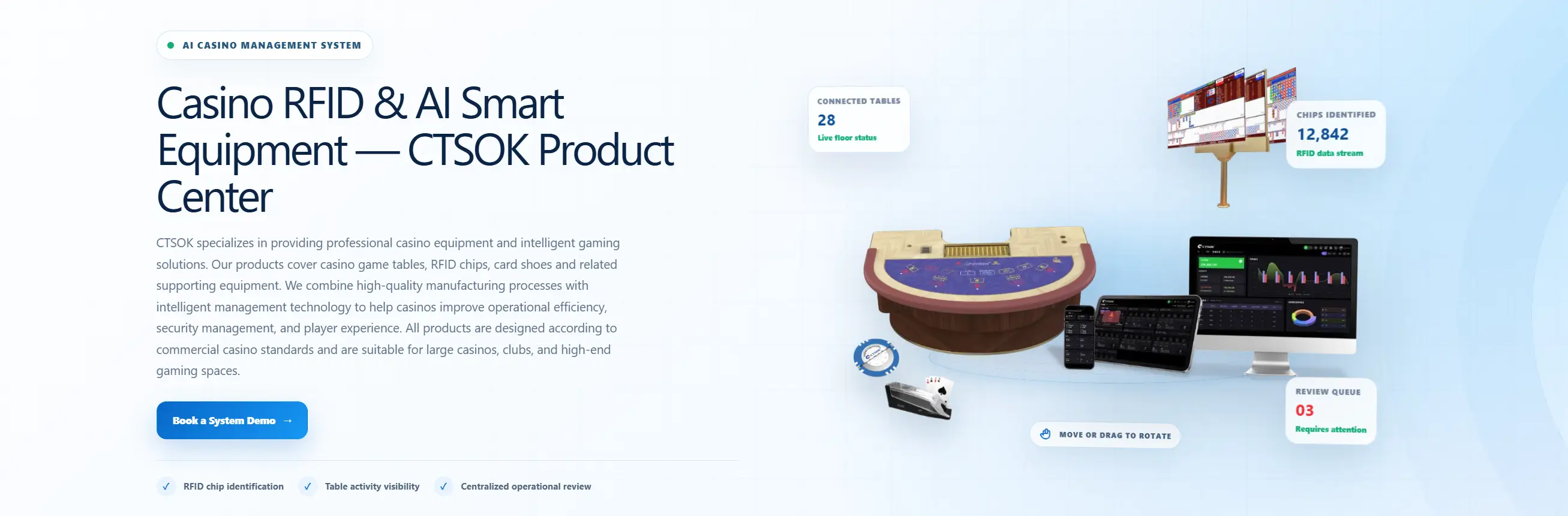
The table and cage view the same transaction from different operational positions.
For a fill, the cage releases chips while the baccarat table receives them. For a credit, the table releases chips while the cage receives them.
A management system should preserve both sides of that movement.
If the table record shows that chips were received but the corresponding cage record does not show that they were issued, the transaction requires review. The same applies when the amount, denomination breakdown, table number or transaction status differs between the two records.
This does not mean that the system should automatically declare one side incorrect.
A mismatch may be caused by:
An incomplete approval;
Incorrect data entry;
A denomination recorded incorrectly;
A delayed system update;
A voided transaction;
Incorrect table mapping;
An incomplete handover;
A communication or equipment problem.
The platform should identify the difference and provide the related records. Authorized staff must determine its cause according to the operator’s procedures.
Compatible RFID casino chips contain electronic identifiers that suitable readers can detect.
When RFID equipment is installed at selected inventory points, it may support chip identification or counting during a fill or credit workflow.
The system may associate detected chips with information such as:
Electronic identifier;
Denomination;
Chip category;
Active or inactive status;
Inventory location;
Assigned chip program.
RFID can therefore provide an additional electronic record of the chips detected during the transaction.
However, RFID detection does not replace authorization.
A reader may determine that certain chips are present, but it does not independently decide whether the transfer is approved, whether the chips may be moved or whether the transaction satisfies the casino’s internal controls.
The operational meaning comes from the combination of chip identification, table assignment, user actions and approved procedures.
Recording only the total value of a fill or credit is not always sufficient.
Consider two transfers with the same total value. One may consist mostly of lower-denomination chips, while the other contains fewer high-denomination chips. Although their totals agree, they affect the table bank differently.
A denomination-level record helps the operator review:
What the cage issued or received;
What the runner transported;
What the dealer verified;
What was added to or removed from the chip tray;
Whether the table received the requested chip mix.
This information is also useful when comparing the physical chip tray with the electronic table record.
The purpose is not simply to generate a larger amount of data. It is to preserve the information needed to explain how the table inventory changed.
A fill or credit involves responsibilities that should not be assigned to every system user.
Depending on the operator’s controls, different roles may include:
The dealer may verify the chips received at the table or removed from the tray and confirm that the amount corresponds with the transaction documentation.
The pit supervisor may authorize the request, supervise the transaction or review an exception.
The cashier may prepare the chips for a fill or receive chips returned through a credit.
The runner may transport the chips and associated documentation between controlled locations.
Authorized reviewers may compare table, cage and system records after the transaction.
The administrator may manage accounts, devices and technical settings without receiving permission to approve or alter operational chip transfers.
The software should reflect these different responsibilities through user roles and approval controls.
Giving every user unrestricted access would weaken the separation between requesting, transporting, receiving, approving and reviewing the transaction.
A fill or credit may occasionally be created incorrectly or cancelled before completion.
Deleting the original record would remove evidence that the transaction was initiated. A better approach is to preserve the record and clearly identify its updated status.
Depending on the configured procedure, the system may record:
Original transaction;
Void status;
Reason for the void;
Date and time;
User who processed the change;
Supervisor who approved it;
Replacement transaction, where applicable.
A correction should not silently overwrite the earlier amount.
Maintaining both the original record and the authorized change provides a clearer history of what occurred.
Fills and credits also affect opening and closing inventory.
At opening, the table begins with a defined table bank. During operation, fills increase the chips assigned to the table, while credits remove chips from it. At closing, the remaining physical inventory can be compared with the opening bank and the approved movements recorded during the shift.
This does not mean that the management system can calculate the correct result using fills and credits alone. Player transactions, game activity, drop records and other approved adjustments may also be relevant.
The important point is that fills and credits should remain identifiable as separate sources of table-bank movement.
When all changes are entered as generic adjustments, the closing record becomes more difficult to explain.
A management platform may be configured to show conditions requiring attention, including:
Fill awaiting approval;
Credit awaiting confirmation;
Difference between table and cage amounts;
Denomination mismatch;
Duplicate transaction reference;
Voided transaction still shown as active;
RFID chip not recognized;
Inactive chip detected;
Transfer assigned to the wrong table;
Required user confirmation missing;
Transaction created outside the user’s permissions.
These alerts should support review, not replace it.
A denomination mismatch does not automatically prove that chips are missing. An unrecognized RFID chip may be incorrectly configured, inactive or outside the intended chip program. A delayed confirmation may result from an unfinished workflow rather than misconduct.
The system provides the transaction context. Casino staff remain responsible for following the approved investigation and correction procedures.
Fill and credit procedures are not identical in every jurisdiction.
As one documented example, the Nevada Gaming Control Board’s table-game control checklist addresses authorization, denomination-level amounts, table number, shift, date and time, employee verification, document retention and computerized storage for fill and credit transactions.
It also distinguishes chips transferred to a table through a fill from chips returned through a credit.
These requirements should not be treated as a universal operating template. Casinos must configure their procedures and systems according to the rules, approvals and internal controls applicable to their own jurisdiction.
The official Nevada Gaming Control Board Table Games checklist can be used as a public example of how detailed table-game fill and credit controls may be structured.
Moving chips between the cage and a baccarat table is a physical action.
Managing that movement requires more than knowing the total value.
The operator needs to understand:
Which table requested or released the chips;
Which denominations were involved;
Who authorized the transaction;
Who prepared and transported the chips;
Who verified receipt;
Whether the table and cage records agree;
Whether the transaction was completed, corrected or voided.
A casino management system brings these details together under one transaction reference.
RFID readers, chip records and table equipment can support identification, but the system’s wider value comes from connecting the physical movement with the correct table, users, approvals and review process.
For baccarat operations, that connection makes fills and credits part of a traceable table-management workflow rather than isolated changes to the chip tray.
A fill adds chips or approved monetary equivalents to a gaming table. A table credit removes excess chips or approved equivalents from the table and returns them to the cage or another controlled area.
No. A table credit is an inventory movement away from the table. Player credit normally refers to credit extended to a patron and follows separate procedures.
No. RFID can support chip identification and counting through compatible readers. Authorization must follow the operator’s approved controls and user permissions.
The denomination breakdown shows the actual composition of the chips transferred. Two transactions can have the same total value while containing different chip denominations.
That depends on applicable rules and approved internal controls. Some environments support computerized records, but the required copies, signatures, storage and approval procedures must comply with the relevant jurisdiction.
Interested in our products? Click the button below to book a demo or get more information